
Packaging Innovation: Smart Label Strategies
Product packaging has a direct impact on consumer choices, market differentiation, and brand storytelling. As brands gear up for 2025, the rise of inventive label design is radically transforming how bottles and jars are perceived on shelves and in the digital world. Leveraging new techniques and materials, brands are harnessing everything from sustainable inks to digital interactivity to stay ahead of the curve. To make your packaging stand out, partnering with a provider of custom bottle labels can ensure your brand voice is conveyed in both form and function. Brands understand that compelling packaging does more than look good—it connects authentically, aligns with values, and influences purchases. Innovations like biodegradable materials and bold designs address evolving consumer preferences, emphasizing sustainability, interactivity, and tactile experiences. These trends help brands build loyalty, improve recyclability, and provide better consumer info, boosting engagement and loyalty in a competitive market.
Embracing Sustainability in Label Materials
Today’s shoppers are more eco-conscious than ever, driving brands toward environmentally friendly label solutions. Using recycled fibers, plant-based adhesives, and biodegradable inks helps reduce a product’s ecological footprint while resonating with values-driven consumers. It’s not just about the material—logos from organizations such as the Forest Stewardship Council (FSC®) or Green Seal highlight third-party sustainability credentials, which many shoppers look for. Brands that communicate eco-initiatives transparently on their packaging foster deeper trust and can influence repeat purchasing decisions.
Minimalist Designs for Maximum Impact
The mantra “less is more” holds strong in 2025. Minimalist label designs are defined by crisp lines, open space, legible typography, and restrained color palettes, enhancing focus on core messaging. This design philosophy not only appeals aesthetically but also aligns with reduced resource use—a sustainability boon. Premium brands, in particular, benefit from this trend, as minimalism is often associated with sophistication, luxury, and confidence.
Interactive and Smart Labels
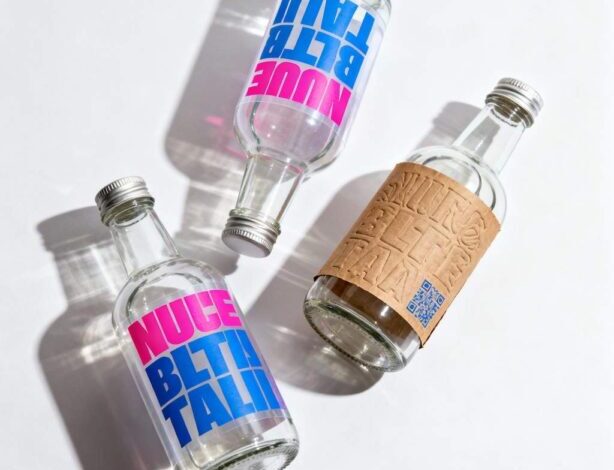
Tech-driven labels enable brands to tell richer stories and engage with digitally native consumers. QR codes, augmented reality (AR), and Near Field Communication (NFC) tags transform packaging from passive containers to platforms for dynamic consumer interaction. For example, scanning a QR code could unveil allergy information, video content, or unique brand experiences. Interactive smart labels bridge the real world and digital spaces, deepening consumer engagement and revealing a product’s journey from production to shelf.
Bold Typography and Vibrant Colors
High-impact visuals are paramount in a world inundated with stimuli. Vivid colors, such as fluorescent pink, saturated teal, and electric blue, combined with oversized, playful fonts, serve as a neon sign for attention on crowded shelves. Brands targeting younger, trend-driven audiences use these strategies to signal fun, energy, and a contemporary attitude. Bold typography isn’t just decorative—it ensures crucial product information is legible at a glance, boosting shelf impact and purchase intent.
Transparent Labels and the No-Label Look
A clear label approach, often referred to as the “no-label look,” provides a modern and unobtrusive aesthetic, allowing the product to shine through. This is especially effective for beverages, oils, and beauty items where the contents are visually appealing. Transparent labels can showcase the premium integrity of a product, emphasize purity, or highlight artisanal craftsmanship, encouraging trust and fostering customer curiosity. When less is more, this approach is especially striking.
Textured and Tactile Finishes
Texture is the unspoken language of premium branding. Techniques such as embossing and debossing, along with velvety soft-touch or metallic-foiled finishes, offer a multi-sensory experience. Research from Forbes highlights how tactile cues create positive emotions and foster a perception of higher value—especially in beauty and spirits sectors. When consumers physically interact with textured packaging, the emotional connection and perceived quality increase, resulting in increased product recall and brand loyalty.
Personalization and Customization
Brands that make consumers feel special break through market noise and drive engagement. Personalized labels—incorporating names, custom artwork, or special messages—are big hits for gift products, limited editions, or event-specific promotions. This trend cements a direct and emotional bond, transforming a simple purchase into a memorable experience. As on-demand printing technology advances, expect even more creative freedom and individualized appeal in everyday items.
Conclusion
Label design for bottles and jars in 2025 is a creative fusion of sustainability, technology, and artful simplicity. Whether you prioritize environmental impact, interactivity, or visual boldness, adopting these trends delivers packaging that’s not just eye-catching, but deeply resonant and future-ready. The brands that adapt quickly, prioritizing both consumer expectations and aesthetic innovation, will enjoy stronger loyalty and long-term success.