
How to Plan Your Finances with More Confidence
Feeling overwhelmed by personal finance is common, but building a strong, confident plan is possible with a few structured steps. Whether you’re looking to stabilize your day-to-day finances, prepare for the unexpected, or work toward long-term goals like retirement, creating a plan you trust is essential. Many people find that understanding where their money comes from and where it goes is a huge relief all by itself. This clarity provides greater psychological comfort and sets a stable foundation for pursuing your dreams. Utilizing helpful resources like a small business payroll tax calculator can support planning, particularly if you’re managing business and personal finances simultaneously. Such tools can offer accurate calculations that help you allocate resources more efficiently and stay compliant if you own a business or freelance on the side.
The process of financial planning can feel daunting at first, but confidence grows as you gain clarity on your financial picture and take proactive steps. By breaking down your big financial questions into smaller, actionable parts, you’ll not only ease stress but also empower yourself to make better financial decisions for you and your family. Economic confidence isn’t about knowing everything—it’s about building habits that keep you informed and prepared for both opportunities and setbacks. Over time, simple steps can add up to a huge difference in your stability and peace of mind.
Assess Your Current Financial Situation
Start by getting a clear picture of your finances: document your income, monthly expenses, outstanding debts, and all current savings. This honest assessment is critical—it provides the baseline you need to identify trouble spots, realize your strengths, and set priorities. Don’t forget about irregular or annual costs, such as insurance premiums, car maintenance, or holiday spending. These often-overlooked expenses can derail your budget if not planned for in advance. You can use digital tools or spreadsheets for tracking, but consistency is key. Numerous budgeting apps sync with your bank accounts and automatically categorize your spending, saving you time and reducing errors. The more detailed your overview, the stronger your financial plan will be. This first step may require a few hours of focused attention, but it’s the cornerstone of building financial confidence and control.
Set Clear Financial Goals
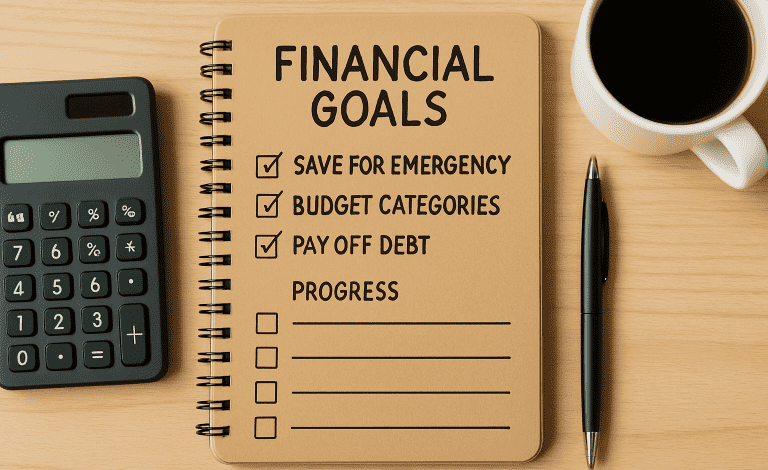
Define what you want to achieve in the short term (such as paying off a credit card or creating an emergency fund) and in the long term (such as owning a home or retiring comfortably). Setting both short- and long-term goals gives you direction and a sense of purpose with your money, helping to counteract emotional spending or impulsive decisions. Write these goals down and break them into manageable tasks, such as saving a specific amount each month or eliminating a certain debt by a particular date. Knowing exactly what you’re aiming for provides motivation, direction, and benchmarks to track your progress along the way. It’s helpful to share your goals with someone you trust for added accountability and support, which can increase your likelihood of sticking to your plan even when faced with challenges.
Create a Budget
With your goals laid out, construct a budget to give every dollar a job. Start by categorizing your core expenses: housing, utilities, groceries, debt payments, insurance, and transportation. Next, assign funds for savings and investments, followed by discretionary spending such as entertainment or dining out. A well-made budget allots your income to essentials, savings, and discretionary spending in alignment with your objectives. Review spending regularly, adjusting to life’s changes or unexpected expenses, and always look for ways to optimize and save. Budgeting is a process, and it’s normal for your first attempts to require tweaks as you discover spending patterns or shifting priorities. Tools like NerdWallet’s budgeting tips can offer practical strategies to keep your budget effective and realistic. Regular, honest budgeting enables you to make informed decisions and avoid accumulating new debts, especially during high-spend periods or in the event of emergencies.
Automate Savings and Investments
One of the easiest and most reliable ways to build your savings and investments is to automate them. Set up automatic transfers from your checking account to your savings or retirement accounts. This reduces the temptation to spend and helps you consistently make progress toward financial goals, even in busy or stressful months. Most banks offer scheduling for recurring transfers, and many investment platforms can automate contributions to retirement or brokerage accounts. Automating contributions to retirement plans, such as IRAs or 401(k)s, not only fosters discipline but also may offer tax advantages, depending on your account type. Even small, regular contributions compound over time, helping you meet your targets with less effort and worry. Automation also relieves you from making repeated manual decisions, making saving feel effortless and routine.
Educate Yourself on Personal Finance
Financial literacy is a lifelong journey—read reputable finance books, follow trusted websites, and seek out expert advice. The more knowledge you acquire, the more confidence you gain to navigate complex choices related to credit, mortgages, insurance, and investing. Take advantage of podcasts, online courses, or local financial workshops, many of which offer free and practical insights. As your knowledge grows, you’ll make better decisions about credit, mortgages, insurance, and investing. Rely on up-to-date resources like Investopedia’s personal finance section to stay current with changing financial regulations and trends, empowering you to adapt successfully. The more you learn, the less intimidated you’ll feel when facing financial crossroads, and you’ll be better equipped to reach out for specific advice when you need it.
Seek Professional Advice
Don’t hesitate to consult a financial advisor if your financial situation seems complex or you would like expert insight. Advisors can help you develop and refine your plan, spot potential risks, discover new opportunities, and provide accountability. A certified planner or fiduciary can take a holistic view of your entire financial picture, addressing insurance needs, estate planning, tax strategies, and more. Choose a certified, reputable advisor whose values align with yours, and remember that asking questions is always encouraged. Taking this step could reveal strategies you weren’t aware of and give you reassurance that your plan is solid, or show you where you can make adjustments before problems arise.
Regularly Review and Adjust Your Plan
Life is full of changes—job transitions, family additions, health shifts, or economic upheaval. That’s why it’s important to make a habit of reviewing your financial plan at least annually, and whenever big changes occur in your life. This review keeps you proactive, helps you catch errors or overlooked issues, and ensures your finances always reflect your true circumstances and goals. Small tweaks after a review—such as increasing retirement contributions or renegotiating a bill—can make a significant difference over the years. Consistently reviewing your plan builds confidence, as you’ll know you’re prepared for both the goals you’ve set and the surprises life might bring.
Build an Emergency Fund
An emergency fund protects you from the unexpected, such as medical emergencies or sudden job loss. Aim for three to six months of living expenses in a safe, easily accessible account. The purpose of these funds is to give you peace of mind and financial stability when life throws a curveball. Start small if you need to—every bit adds up, and having even a modest buffer can reduce anxiety and keep your long-term plans on track. Regularly evaluate your emergency fund as your cost of living grows or changes, so it remains sufficient for your needs. Knowing you have a safety net makes it easier to stick to your bigger financial plan, even during tough times.
Applying these strategies will steadily boost your financial resilience and self-assurance. Remember, building confidence in your financial management is a marathon, not a sprint—stay consistent, keep learning, and don’t be afraid to readjust as life moves forward. Every positive financial habit you build now makes it easier to address future challenges and seize new opportunities. Over time, you’ll gain not just control, but also genuine peace of mind about your financial future—leaving you free to focus on the things that matter most to you and your family.