
How Night Vision Training Strengthens Pilot Confidence
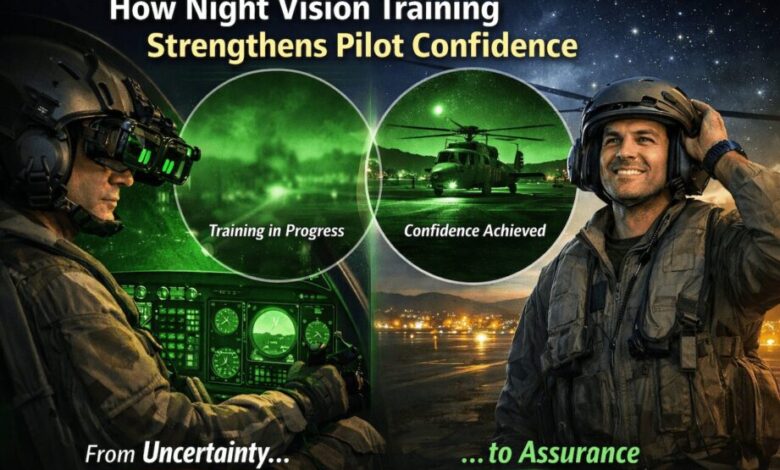
Confidence comes from preparation. When you know you can handle a situation, you approach it calmly. When you have practiced a skill until it feels natural, you perform it without fear. This truth applies in every field, but it matters especially in aviation where confidence supports safety.
Night vision equipment gives pilots the ability to see in darkness. But equipment alone does not create confident pilots. Training transforms unfamiliar tools into trusted extensions of a pilot’s own senses. The hours spent learning and practicing build the confidence that makes night
flying feel manageable rather than frightening.
Understanding how training builds this confidence helps explain why pilots invest so much in preparation.
The Gap Between Equipment and Skill
Owning a tool is not the same as knowing how to use it. A piano in your living room does not make you a musician. A set of golf clubs does not make you a golfer. The potential exists, but realizing that potential requires learning and practice.
Night vision equipment works the same way. The technology itself offers remarkable capabilities. It can reveal a world hidden from unaided eyes. It can transform darkness into something approaching daylight. But a pilot who has never trained with this equipment cannot access these benefits effectively.
The gap between having equipment and using it well can be significant. Untrained pilots may struggle to interpret what they see. They may not know how to adjust settings for different conditions. They may find the experience disorienting rather than helpful. The equipment that should support them becomes another source of stress.
Training closes this gap. It transforms unfamiliar technology into a natural part of flying. The awkwardness fades. The confusion resolves. The equipment becomes what it was meant to be: a powerful tool that extends pilot capabilities into the night.
Learning to See Differently
Night vision does not simply make darkness bright. It presents visual information in ways that differ from natural sight. Colors appear differently. Depth perception works differently. The relationship between what you see and what exists in the world requires new understanding.
Pilots who train with night vision equipment learn to interpret this new visual world. They discover how objects appear through the technology. They understand the limitations as well as the capabilities. They develop intuition about what the images mean and how to respond to
what they see.
This learning takes time. The brain must build new connections and new habits of interpretation. What feels strange at first gradually becomes familiar. What required conscious thought eventually becomes automatic. The training process guides pilots through this adaptation. As interpretation becomes natural, confidence grows. Pilots stop wondering what they are looking at and start using the information to fly better. The technology becomes transparent, a window rather than a puzzle. This shift marks the transition from equipped pilot to trained pilot.
Practice Building Trust
Trust develops through experience. You learn to trust a tool by using it repeatedly and seeing it perform reliably. You learn to trust yourself by facing challenges and discovering you can meet them. Training provides the structured experience that builds both kinds of trust.
During training, pilots use night vision equipment in controlled conditions. They face realistic scenarios without the full risks of actual operations. They can make mistakes and learn from them without dangerous consequences. This safe environment allows trust to develop
gradually.
Repetition plays a crucial role. The first time a pilot uses night vision equipment, everything feels uncertain. The tenth time feels more familiar. The fiftieth time feels routine. Each repetition adds to the foundation of trust that supports confident flying.
Many pilots have found that comprehensive programs for nvg training provide the structured experience that transforms uncertainty into confidence.
Confidence Under Pressure
Real flying involves pressure. Weather changes unexpectedly. Equipment behaves strangely. Situations develop that demand quick decisions and precise actions. Pilots must perform well even when stress rises and circumstances challenge them.
Training prepares pilots for this pressure. Good training programs do not just teach skills in calm conditions. They create scenarios that test pilots under stress. They simulate the challenges that real flying presents. They push pilots beyond their comfort zones in safe environments.
This pressure in training builds resilience. Pilots learn that they can perform even when stressed. They discover reserves of capability they did not know they had. They develop the mental toughness that high-pressure situations require.
When real challenges arise, trained pilots respond with calm competence. The pressure feels familiar because they have faced it before. The demands feel manageable because they have met similar demands in training. Confidence under pressure comes from having been pressured
before and having succeeded.
From Uncertainty to Assurance
The journey from untrained to trained pilot follows a predictable path. It begins with uncertainty. Everything feels new and slightly overwhelming. The equipment seems complicated. The skills seem difficult. Doubt whispers that maybe this challenge is too great.
Training answers this doubt with evidence. Each successful exercise proves that progress is possible. Each new skill mastered shows that learning works. The uncertainty gradually gives way to growing assurance. What seemed impossible becomes achievable. What seemed frightening becomes familiar.
This transformation affects more than just technical skills. It changes how pilots see themselves. They begin to identify as capable night vision pilots rather than beginners struggling to learn. This identity shift reinforces the confidence that training builds. Pilots perform well partly because they believe they are the kind of pilots who perform well.
The Gift of Preparation
Preparation is a gift you give yourself. The hours spent training pay dividends every time you fly. The confidence you build supports every decision you make. The skills you develop protect you and everyone who depends on you.
Pilots who train thoroughly approach night flying differently than those who do not. They feel ready rather than worried. They expect to succeed rather than hoping to survive. They enjoy the unique experience of flying at night rather than dreading it.
This confidence benefits everyone connected to aviation. Passengers are safer when pilots are confident and competent. Organizations accomplish more when their pilots can operate effectively at night. Families rest easier knowing their loved ones have prepared thoroughly for
the challenges they face.
Night vision training represents an investment in confidence. It takes time and effort. It requires commitment to learning and willingness to be challenged. But the return on this investment is profound. Trained pilots carry with them an assurance that no amount of natural talent can replace. They know they are ready because they have done the work to become ready. That knowledge makes all the difference.