
Samsung Galaxy A56 5G Reviews: A Practical Take
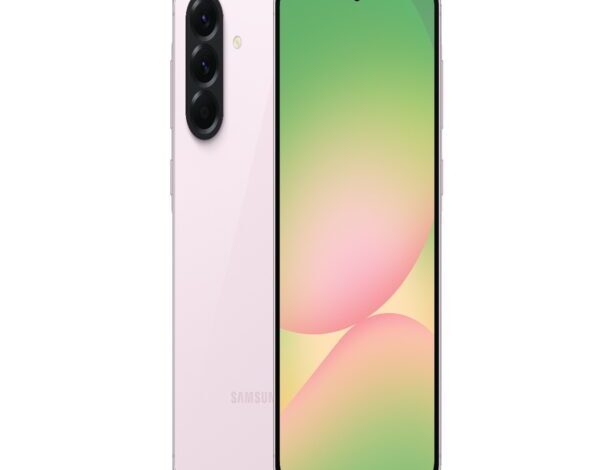
Searching for Samsung Galaxy A56 5G reviews can feel oddly confusing. One reviewer calls it a “safe buy,” another says it’s overpriced, and a third spends 10 minutes arguing about a macro camera most people will use twice. I get it. The Galaxy A56 5G sits in that messy mid-range zone where expectations are high, but compromises are still very real.
This article is a human-first, day-to-day review: what the phone is like to live with, what tends to impress people quickly, and what might quietly annoy you after a few weeks. It won’t be perfectly “one-size-fits-all,” because buying a phone never is. But it should help you decide with fewer regrets.
Note on testing style: This guide mixes published specs and widely reported behaviors (battery, charging, update policy) with practical buyer framing. If you want the pure camera deep dive with scenarios and photo expectations, there’s a dedicated companion post here: Samsung Galaxy A56 camera review.
Who the Galaxy A56 5G is really for
The A56 5G makes the most sense for people who want a phone that feels modern and “complete” without stepping into flagship pricing. Think: someone who keeps a phone for years, wants a bright AMOLED screen, wants solid cameras without learning photography, and cares about staying up-to-date.
Samsung’s long software support is a big part of the pitch here: the Galaxy A56 ships with Android 15 / One UI 7 and is promised six years of OS updates plus six years of security updates. That’s the kind of detail that sounds boring until year three, when everyone else’s mid-range phone stops getting meaningful updates.
On the other hand, if you’re the type who plays heavy games for long sessions, or you want the absolute best camera processing in this price band, it may be worth comparing alternatives. Not because the A56 is “bad,” but because it’s more balanced than specialized.
Samsung Galaxy A56 5G reviews: what most people agree on
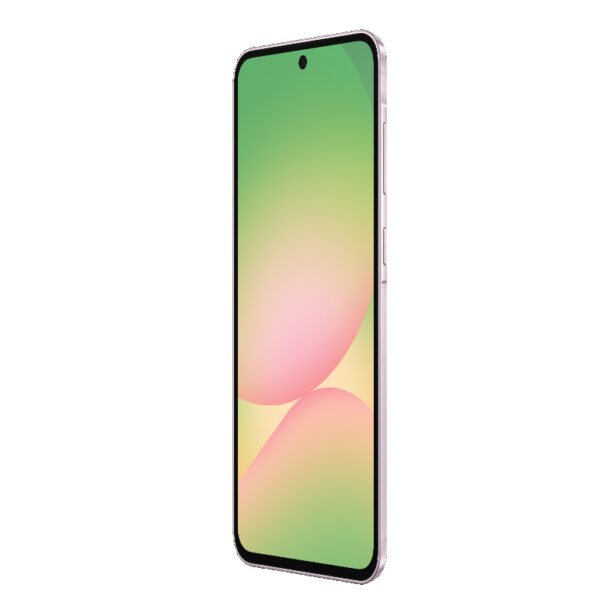
Across the reviews that are ranking well, a pattern shows up quickly. The Galaxy A56 5G is widely seen as a polished mid-range phone with a strong screen, a big battery, and software support that’s unusually generous for the price.
Where the tone changes is value. Some reviewers basically say, “This is great… but not at launch price,” especially if similarly priced phones offer faster charging, more raw power, or a more exciting camera setup. Others are more forgiving and treat it as a “pay a little extra for Samsung’s stability” kind of purchase.
I think both takes can be true. If you want predictable behavior and clean software over chasing the best benchmark score, you’ll probably like the A56. If you want maximum specs-per-dollar, you may find yourself second-guessing it.
Samsung galaxy a56 5g reviews in one sentence
A dependable, modern-feeling mid-range Samsung with a great display and long update support, but it’s not the obvious winner for gamers or bargain hunters.
Design and durability: the “nice enough” matters
Mid-range phones have gotten better at pretending they’re premium, and Samsung is especially good at this. The A56 feels like it belongs in 2026: slim, clean lines, and the kind of build that doesn’t scream “budget” the moment you pick it up.
It’s also rated IP67 for water and dust resistance, which is reassuring in a real-world way. Not “take it scuba diving” reassuring, obviously, but more like “it survives a rainstorm or a spilled drink without drama.” Still, it’s worth noting IP67 isn’t the very top tier of protection.
If you tend to use phones without a case, this is where personal taste kicks in. The A56’s finish and camera bump design may feel elegant to you… or maybe a little plain. That’s not a technical criticism, just the reality of living with it.
Display: the easiest part to love
Samsung’s A-series often wins people over with the screen, and the A56 continues that tradition. You’re getting a 6.7-inch Super AMOLED display with a 120Hz refresh rate, which mostly translates to: scrolling feels smoother, animations look cleaner, and the phone feels quicker even when the processor isn’t top-tier.
Brightness and outdoor visibility matter more than most spec sheets admit. If you read on your phone a lot, or you’re outdoors frequently, a strong AMOLED panel is one of those “you notice it every single day” upgrades. Even people who don’t care about tech tend to comment on it.
One small caveat: 120Hz can increase power use depending on how it’s implemented and how you use the phone. The good news is the A56 has the battery size to support it, and Samsung’s software tuning is usually sensible.
Performance: smooth… until you ask too much
The Galaxy A56 5G uses Samsung’s Exynos 1580, and performance is generally described as smooth for normal life: messaging, social apps, maps, camera, switching between a handful of apps, and the usual daily chaos.
But there’s a second layer to this. Some phones feel fast in short bursts and then get less impressive under sustained load—long gaming sessions, lots of camera processing, heavy multitasking, or just running hot on a warm day. That’s where mid-range chips often reveal their limits.
If gaming is important to you, it’s worth being honest. The A56 can handle games, sure, but it’s not the phone you buy to maximize frame rates over long sessions. If you want that angle, you might still buy Samsung, but you’d likely aim higher—or you’d choose a different brand that prioritizes raw performance.
For an A55 owner wondering “will I feel a big difference?” the answer is… maybe, but not always. It depends on what you hate about your current phone. If it’s lag and heat, you might see improvement. If it’s “I want it to feel like a flagship,” this probably isn’t the leap you’re imagining. A deeper breakdown is here: Galaxy A55 vs A56: should you upgrade?
Battery life: quietly one of the best reasons to buy it
The A56 sticks with a 5,000mAh battery, and in practical terms that usually means a full day comfortably, and sometimes part of a second day if your usage is lighter. Samsung also claims strong video playback endurance figures for the phone, which aligns with the “this lasts” reputation the A-series has built.
Here’s the thing I think people miss: battery life isn’t only about size. It’s about how consistently the phone behaves. Some phones swing wildly depending on signal strength, background apps, or a poorly optimized update. Samsung isn’t perfect, but One UI tends to be relatively stable here.
If battery is your top priority, you’ll probably enjoy the A56. If battery is your anxiety, you’ll enjoy it even more. For a more detailed, practical battery guide (settings, 5G behavior, always-on display tradeoffs), there’s a dedicated post: Samsung Galaxy A56 battery life.
Charging: faster, but not magically fast
Samsung added 45W wired charging support on the Galaxy A56 5G, and Samsung’s own messaging suggests a full charge in about 68 minutes, with roughly 65% in around 30 minutes. That’s a meaningful upgrade on paper, especially for people who do quick top-ups before heading out.
Two practical notes, though. First: you typically won’t get a charger in the box, so you may need to buy a compatible 45W charger separately if you want the maximum charging speed. Second: charging speed depends on heat and battery management, so real-world times can vary.
It’s also worth saying what the A56 isn’t: it’s not the phone that beats the fastest-charging brands at this price. If your dream is “ten minutes and I’m done,” you’ll still want to look elsewhere. But as a quality-of-life improvement from older Samsung mid-rangers, 45W is a step in the right direction.
Cameras: dependable main camera, mixed extras
This is where “reviews” start to diverge, because camera opinions are personal. Some people care about accuracy; others care about flattering skin tones. Some want dramatic HDR; others want a natural look. And many just want fewer blurry photos of pets.
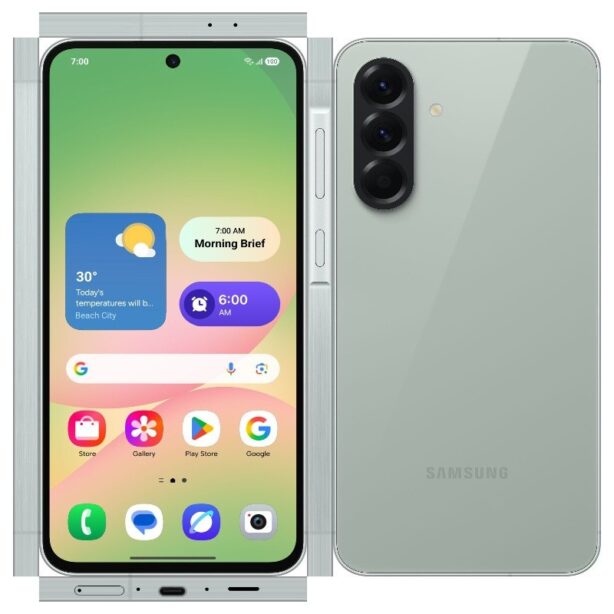
The Galaxy A56 camera setup is broadly described as a triple rear camera system: a main camera, an ultrawide, and a macro. There’s also a selfie camera that supports 4K video, and that last part matters more than you’d expect if you do video calls, reels, or any kind of casual “talking to camera” content.
My cautious take: the main camera is usually the reason you’ll be satisfied. The ultrawide is useful when you need it. The macro is… there. Maybe you’ll love it. Many people won’t.
One limitation to be aware of is the lack of a dedicated telephoto camera. That doesn’t mean you can’t zoom, but it does mean zoom quality relies more on cropping and processing. For some buyers, that’s fine. For others, it becomes the one thing they keep noticing.
If you want the camera story told in a more “real life” way—what happens at dinner lighting, what 2x zoom looks like, and whether the selfie camera is actually reliable—this companion post goes deeper: Samsung Galaxy A56 camera review.
Software and updates: the long game is the point
The Galaxy A56 ships with Android 15 and One UI 7, and Samsung promises six years of OS updates and six years of security updates. In mid-range phones, that’s a serious trust signal.
There’s a subtle benefit here that’s easy to overlook: long support tends to keep your phone feeling “current” longer. You’re less likely to get stuck with apps that slowly stop supporting your Android version, and you’re less likely to feel forced into an early upgrade for security reasons.
Now, a mild contradiction, because it’s true: even with long support, update timing can vary by region and carrier. So the promise is “you will get it,” not always “you will get it first.” Still, compared with the broader mid-range market, this is one of Samsung’s biggest advantages.
Connectivity, speakers, and the daily experience stuff
The Galaxy A56 5G experience is mostly about the little moments. Calls sound clear, apps open quickly enough, and the phone doesn’t feel fragile. That’s not glamorous, but it’s what people actually live with.
Stereo speakers are commonly included in this class now, and Samsung typically tunes them in a way that feels punchy for voices and videos. It’s not a Bluetooth speaker replacement, but it’s good enough that you won’t feel embarrassed showing someone a clip on your phone.
Also, if you’re coming from an older device, modern 5G plus a newer modem can feel like a bigger “upgrade” than the processor itself—depending on your network and where you live. Not everyone will notice it. Some people will notice it immediately.
Storage, preloaded apps, and the “annoyance tax”
Many mid-range phones ship with a fair amount of preloaded software. Samsung is no exception. Some of it is helpful; some of it feels like clutter. You can usually disable or ignore most of it, but it’s part of the experience.
Another practical detail: microSD support is a big deal to some buyers and irrelevant to others. If you’re the type who keeps years of photos offline or downloads a lot of media, you’ll want to double-check your storage choice up front and plan accordingly.
I’d love to say “just get the base model and don’t think about it,” but that’s not always wise. Storage is one of the few choices that’s painful to fix later.
Is the Galaxy A56 5G worth it?
“Worth it” depends on price and on what you value. At a good sale price, the A56 looks like a confident recommendation: excellent display, big battery, improved charging, and unusually long update support. At a high launch price, it becomes a more careful recommendation, because strong competitors can beat it in specific areas (especially raw performance, and sometimes camera value).
If you’re buying for the long term, Samsung’s update policy and overall polish may justify paying a bit more. If you replace phones often, or you chase maximum specs-per-dollar, it’s reasonable to feel less excited.
And if you’re stuck deciding between the A55 and A56, it’s not automatically “newer is better.” Sometimes it is. Sometimes the smarter move is keeping the A55 longer and upgrading later when the jump is bigger. That’s why the upgrade guide exists: Galaxy A55 vs A56: should you upgrade?
Buying advice (the part people usually skip, but shouldn’t)
A few practical tips that tend to reduce buyer’s remorse:
- If you care about gaming: treat the A56 as “good enough,” not “best in class.” Consider alternatives if you play demanding titles for long sessions.
- If you care about cameras: focus on the main camera and selfies (where Samsung tends to be dependable), and be realistic about zoom without a telephoto lens.
- If you keep phones for years: the six-year update promise is one of the strongest reasons to choose this model over flashier spec monsters.
- If you hate charging anxiety: get a proper 45W charger so you actually benefit from the phone’s charging support.
Conclusion
After reading a lot of samsung galaxy a56 5g reviews (and comparing what they emphasize), the most honest conclusion is also the least dramatic: this is a well-rounded phone that’s easy to live with. The screen is a daily pleasure, the battery is reassuring, and Samsung’s long update promise is the kind of advantage that grows over time.
It’s not perfect. It’s not the cheapest way to get great performance. It won’t satisfy people who want a dedicated zoom camera. And yet… it’s the kind of phone many people buy, use for years, and rarely complain about. That may be the most “real” compliment a mid-range device can get.