
Sony FX3 specs: The Baseline Before FX3 II
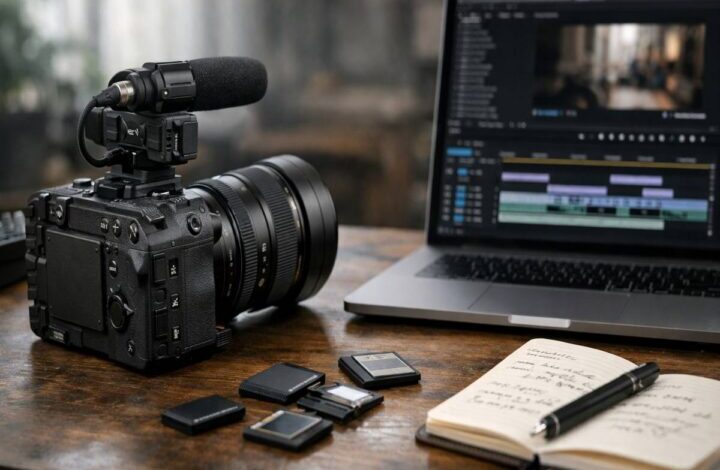
It’s easy to get lost in the sauce of “what’s coming next.”We spend so much time refreshing rumor sites and debating hypothetical features for the sony fx3 ii that we sometimes forget to look at what the current camera actually is.And that matters. Because if you don’t understand the baseline, you can’t really judge if the sequel is worth the wait.
The Sony FX3 is a weird, wonderful little box.When it launched, half the internet screamed that it was just a re-shelled A7S III.The other half quietly went out, bought it, and started shooting entire Netflix documentaries with it.
This breakdown isn’t a dry spec sheet.It’s a look at the features that define the camera’s personality—and specifically, the specs that are creating the pressure for whatever comes next.If you are currently weighing a purchase, this is your reality check.(And if you are mostly curious about the future model, check out our dedicated guide on sony fx3 ii rumors and buying advice).
It’s not just about the sensor (though the sensor is good)
Let’s get the numbers out of the way.The FX3 uses a 12.1MP full-frame Exmor R CMOS sensor (back-illuminated).
In a world of 45MP and 60MP monsters, twelve sounds… small.Low, even.
But that low pixel count is a deliberate choice for video.Fewer pixels on the same surface area means giant pixels (relatively speaking).That’s why this camera can see in the dark.It’s why the dynamic range stretches to a claimed 15+ stops in S-Log3.It is an absolute low-light vacuum cleaner.
Does it shoot 8K? No.Does it need to? Probably not for your workflow.But this 12MP limit is exactly why people are asking for a resolution bump in the next iteration.They want just enough extra headroom for stabilization and reframing—something we discuss in detail in the open gate wishlist.

The “Cinema Line” distinction: 4K 120p and active cooling
The specs that keep the FX3 relevant years after launch aren’t just resolution; they are about reliability.The headline feature is 4K recording at up to 120 frames per second (with a roughly 10% crop).That’s buttery slow motion in 10-bit 4:2:2 color.But plenty of hybrid cameras can do 4K 120p now.The difference with the FX3 is the fan.
Sony put an active cooling fan inside the body, sandwiched between the sensor and the screen.It means you can leave this camera running on a tripod during a long interview in a stuffy room, or bake it in the sun at a wedding ceremony, and it generally just… keeps recording.That peace of mind is a “spec” that doesn’t show up in a resolution chart, but it’s the main reason pros pick this over cheaper hybrid bodies.

The handle: standardizing XLR audio
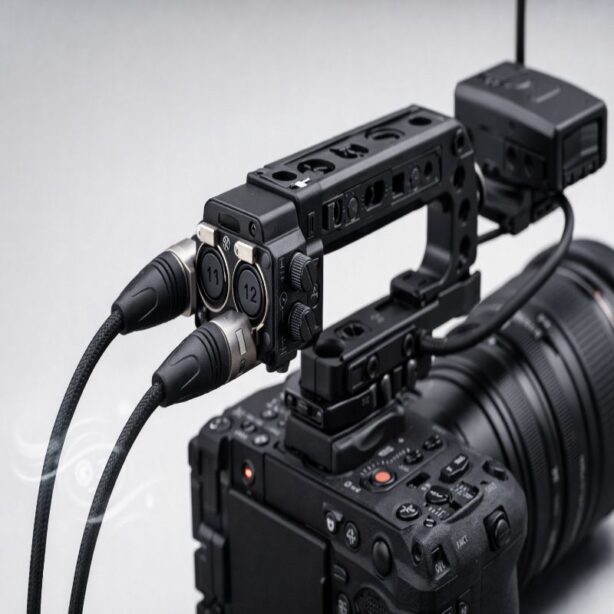
If you look at the sony fx3 ii wishlists, you rarely see people asking for a new audio system.That’s because the FX3 nailed it.The camera ships with a detachable top handle that includes an XLR adapter.This lets you plug in professional boom mics or wireless receivers directly.You get 4-channel 24-bit recording options.You don’t need a flimsy 3.5mm dongle hanging off the side of your rig.
For a solo shooter, this is huge.It turns the camera into a self-contained production unit.You hold the camera by the handle, monitor your audio levels on the physical dials, and shoot.It feels industrial. It feels safe.
Mounting points (the cage-free life)
This is a small detail, but it speaks to the design philosophy.The FX3 body has five 1/4-20 UNC threaded mounting holes built directly into the chassis.
The idea was that you wouldn’t need a camera cage.You could just screw a monitor or a light arm directly into the camera.In practice? Most of us still buy a cage because we want to protect the body or need Arca-Swiss plates.But the intent was cool.It keeps the setup small and dense.
What the FX3 specs *don’t* show (the gaps)
To understand why the internet is thirsty for a sequel, you have to look at the holes in the spec sheet.
The FX3 is amazing, but it lacks a few things that actual cinema cameras (like the FX6) take for granted.
- No Internal ND Filters: This is the big one. If you want to change exposure instantly outdoors without stopping down your aperture, you’re screwing on filters. The FX6 has electronic variable NDs built-in. The FX3 does not.
- No Shutter Angle (Initially): For a long time, the FX3 forced you to use shutter speed (1/50) instead of shutter angle (180 degrees). Sony actually fixed this via a firmware update—a rare and generous move—but it shows that the software started out a bit “hybrid.”
- Waveforms and False Color: The monitoring tools on the original firmware were basic. They’ve improved, but they still lag behind dedicated monitors.
The verdict on the baseline
Here is the truth.The sony fx3 specs are still overkill for 90% of YouTube content and adequate for 99% of corporate and wedding work.10-bit 4:2:2 internal recording is robust.The autofocus is terrifyingly good.The low light capability saves you when you can’t control the lighting.
If you are holding off on buying because you think the specs are “outdated,” you might be overthinking it.
However, if you specifically need open gate reframing or are betting on internal NDs (a long shot, but we can dream), then checking out the sony fx3 ii buying guide is your next smart move.Understanding this baseline helps you see through the hype—and saves you from waiting for a camera you might not actually need.