
Emerging Trends in Commercial Security for 2026
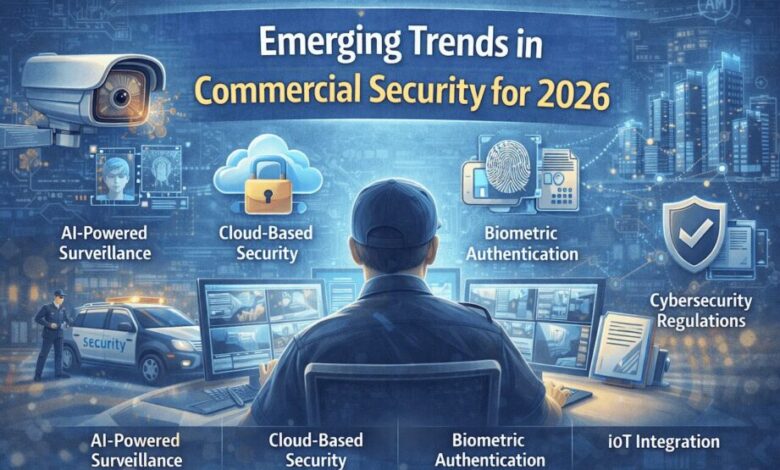
As businesses navigate an increasingly complex risk landscape, commercial security continues to evolve rapidly. In 2026, organizations are prioritizing smarter, more adaptive solutions that address both physical threats and digital vulnerabilities. Advances in artificial intelligence, cloud-based monitoring, and integrated access control are reshaping how companies protect assets, employees, and critical infrastructure. At the same time, heightened regulatory expectations and growing concerns about cyber-physical convergence are driving firms to rethink traditional security approaches.
Amid these developments, a range of service providers is offering tools and frameworks designed to help enterprises bolster their defenses. For example, resources like https://usprotective.net/commercial/ provide an overview of modern commercial security systems and considerations for implementation. By staying informed about emerging technologies and best practices, decision-makers can make more strategic choices that align with their risk tolerance and operational needs. Ongoing innovation in this space points toward a future where security is more predictive, interconnected, and responsive than ever before.
AI-Powered Surveillance Systems
Recent advances in artificial intelligence (AI) are transforming surveillance from passive observation to active threat identification. AI-powered cameras can now analyze movement, behavior, and faces, enabling real-time responses at speeds beyond those of human operators. Modern analytics platforms distinguish between normal and suspicious activities, such as identifying a potential intruder versus routine foot traffic, leading to fewer false alarms and faster intervention. Businesses of all sizes are investing in these AI-driven technologies to improve situational awareness and reduce operational costs.
Cloud-Based Security Solutions
Cloud-driven security infrastructure is now a cornerstone of modern commercial protection strategies. With cloud-based management, security teams can access live camera feeds, control access points, and review incidents from any internet-connected device. This enables continuous monitoring, rapid system updates, and seamless integration with IoT and analytics platforms. Scalability is a major benefit, allowing businesses to expand or adapt their security coverage without major overhauls. Additionally, cloud-based systems reduce the chances of data loss from on-premises failures, providing a resilient backup to traditional hardware.
Biometric Authentication
Biometric technologies such as fingerprint and facial recognition are revolutionizing access control across industries like healthcare, finance, and critical infrastructure. Instead of relying on badges or PIN numbers that can be lost or stolen, biometric systems tie access rights directly to unique physical characteristics. This significantly reduces the risk of unauthorized entry and streamlines entry procedures. In 2026, advances in biometric security improve accuracy and enhance protection against identity fraud, making these solutions increasingly prevalent in high-security and restricted environments.
Internet of Things (IoT) Integration
IoT integration enhances the connectivity between cameras, sensors, alarms, and control panels. With a unified system, devices communicate immediately to detect, analyze, and respond to incidents. For example, if a motion detector senses unauthorized movement, it can prompt nearby cameras to record and alert facility staff all in an instant. Many organizations are adopting these integrated IoT solutions to achieve 360-degree visibility and automate their emergency protocols. Comprehensive smart building security is no longer a vision for the future, but a practical necessity for commercial operators.
Mobile Security Patrols
Physical patrols remain a vital component of comprehensive security. Mobile security teams equipped with real-time communication tools and integrated response platforms can cover large commercial campuses and industrial facilities. Their ability to quickly address incidents, conduct regular checks, and serve as visible deterrents enhances overall risk management. With technological support, these patrols are more effective than ever, blending the traditional strengths of on-site presence with the benefits of modern, data-driven oversight.
Voice-Activated AI Search
Voice search technology is enabling security staff to retrieve information from vast stores of surveillance footage in seconds. By using natural language commands such as “Show me the activity in the lobby at 9 PM,” teams can quickly find incidents and expedite investigations. This reduces manual review time and increases productivity, allowing operators to focus on critical events as they happen. Expect growth in adoption as these solutions become more sophisticated and accessible across device types.
Verified Response Policies
Jurisdictions across the United States are shifting toward “Verified Response” models that require video or audio confirmation before police are dispatched to alarms. This policy change aims to minimize costly false alarms and ensure law enforcement resources are focused on confirmed threats. Commercial users must upgrade to video verification platforms that provide clear incident visibility and enable prompt decision-making both on-site and at command centers.
Cybersecurity Regulations
The growth of digital security tools means compliance with cybersecurity regulations is now a business imperative. Government and sector-specific rules require companies to report incidents, encrypt sensitive data, and develop robust risk management processes. Recent regulatory updates at the federal and state levels emphasize the need for incident response planning and transparency. As threat actors target networked building systems such as HVAC or access controls, organizations must be vigilant to ensure all technology partners adhere to current standards.
Conclusion
Businesses that stay ahead of security trends not only protect their physical and digital assets but also inspire trust among employees, partners, and clients. By embracing innovation and remaining vigilant on compliance and operational best practices, companies can create a safer environment for all stakeholders in 2026 and beyond.