Understanding the Role of IT Support in Daily Business Operations
In today’s fast-paced business landscape, the importance of IT support cannot be overstated. Organizations depend on technology to perform every critical function, from communicating with clients to processing payments. Maintaining seamless operations, safeguarding sensitive data, and providing technical assistance are just a few of the many responsibilities in the field of IT support Northern Virginia. As companies grow and evolve, the need for streamlined IT support grows even more significant, making it a backbone of modern enterprise success.
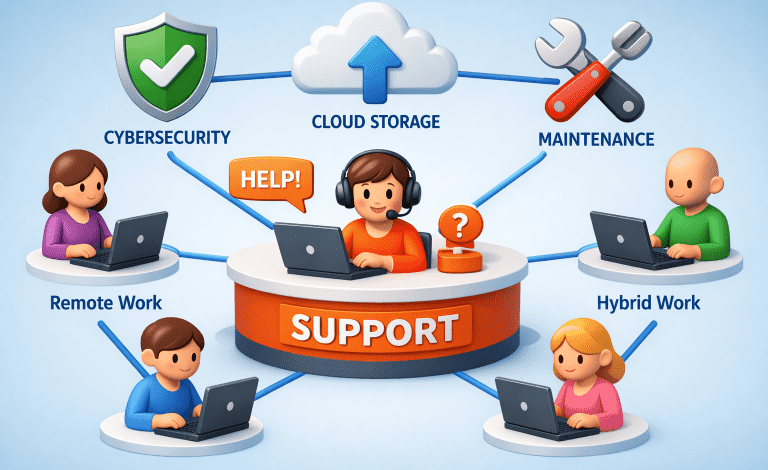
Efficient IT support ensures systems run smoothly, cyber threats are mitigated, and employees remain connected whether on-site or remote. Reliable support teams not only address current issues but also anticipate future challenges, allowing businesses to stay productive in a dynamic environment. With increasing reliance on remote work and digital collaboration, businesses of all sizes must prioritize IT infrastructure and support services to thrive and withstand unexpected challenges.
Ensuring System Efficiency and Uptime
Maintaining the efficiency and uptime of business systems is a central role of IT support teams. Any downtime or system failure can have costly consequences, ranging from productivity losses to customer dissatisfaction. To prevent this, IT professionals constantly monitor both hardware and software for potential issues and performance drops. Proactive identification and quick resolution of problems mean businesses can operate smoothly, reducing the risk of sudden interruptions.
Strengthening Cybersecurity Measures
With the frequency and sophistication of cyber threats on the rise, IT support now plays a crucial role in implementing cybersecurity measures. From deploying firewalls and antivirus software to setting up multi-factor authentication, support teams are responsible for safeguarding a company’s most valuable data resources. Continuous monitoring enables immediate responses to security incidents, while routine updates and security patches close vulnerabilities as they arise. A failure to prioritize strong cybersecurity measures can lead to significant financial loss and lasting damage to a brand’s reputation.
Facilitating Remote and Hybrid Work Environments
The transition to hybrid and remote work models has elevated the role of IT support. Secure remote access via virtual private networks (VPNs), secure cloud storage, and collaborative tools such as video conferencing platforms are crucial in this new environment. IT support teams ensure smooth integration of these tools and provide rapid troubleshooting when connectivity or access issues arise. This enables companies to maintain productivity and effective team communication, no matter where employees are working.
Automating Routine Processes
Automation technology has transformed routine business operations, enabling team members to focus on higher-level tasks. IT support facilitates the implementation of automation systems such as customer relationship management (CRM) platforms and enterprise resource planning (ERP) tools. These technologies streamline tasks such as scheduling, data entry, and customer service inquiries, helping businesses scale efficiently and deliver a more consistent customer experience.
Providing Proactive Maintenance
Regular, proactive system maintenance is fundamental to preventing unexpected interruptions. Advanced IT help desks conduct system health checks, assess potential hardware issues, and implement critical software updates in advance. This form of maintenance helps prolong device lifespan and minimize operational disturbances. Companies that prioritize proactive care are more likely to avoid major breakdowns and data loss incidents, keeping downtime to an absolute minimum.
Supporting Remote Work and Flexible Collaboration
IT support teams enable flexible, effective collaboration among distributed teams by implementing secure file-sharing solutions, reliable video conferencing tools, and encrypted remote-work systems. They also ensure that sensitive business information is protected, access rights are routinely reviewed, and any potential risks are addressed before they become threats. This support is critical for organizations with remote or mobile employees who rely on uninterrupted access to shared drives and communication platforms.
Enhancing Data Security and Risk Mitigation
Data security remains a top priority for IT support professionals. They protect sensitive files through encryption, secure backup solutions, and employee awareness training, which includes phishing email identification and internet safety. By establishing a reliable backup process, businesses ensure that important data can be recovered in the event of cyberattacks or accidental deletion, significantly improving resilience and business continuity.
Providing Technical Support and Troubleshooting
Immediate technical assistance is vital for maintaining daily productivity. Whether dealing with network issues, hardware failures, or software malfunctions, IT support teams offer swift troubleshooting to minimize workflow interruptions. This quick response keeps staff productive and helps organizations meet their goals without undue delays. Furthermore, ongoing technology training provided by IT professionals helps employees make the most out of the tools and resources available to them, reducing the frequency of repeated issues.
Conclusion
IT support is woven into every facet of daily business operations. These professionals maintain system efficiency, strengthen cybersecurity, enable flexible collaboration, drive automation initiatives, and provide critical troubleshooting, ensuring that businesses remain resilient and poised for ongoing growth.