
Streamlining Safety Inspections for Efficient Workplaces
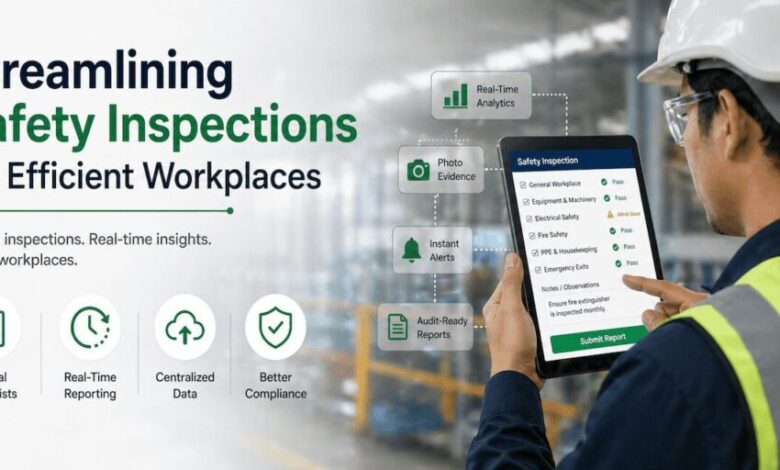
Workplace safety has never been more crucial for organizations striving to protect employees and maintain smooth operations. Traditional inspection processes, often dependent on physical paperwork and manual data entry, can slow progress and limit the ability to spot hazards in real time. Forward-thinking businesses are increasingly leveraging safety inspection software to modernize these critical procedures and drive more robust results.
The adoption of digital solutions not only expedites inspections but also helps reduce human error and enables easier data management. This transition to digital platforms goes beyond efficiency; it empowers teams with real-time information, audit-ready documentation, and best-in-class compliance. By embracing digital tools, organizations open the door to a new era of proactive safety culture and smarter resource allocation.
As industries grow more complex, digital safety inspections help create repeatable, transparent systems that scale with changing regulations and workforce needs. From routine machinery checks to site-wide compliance assessments, these innovations free up staff from administrative headaches and allow safety professionals to focus on strategic insights.
In addition to these operational benefits, integrating inspection software into safety protocols boosts accountability and clarity. Clear reporting structures, photographic evidence, and automated follow-ups foster a shared responsibility for safety and create a traceable path for resolving hazards. For further reading on workplace inspection best practices, the Occupational Safety and Health Administration provides expansive guidance and tips for improving jobsite oversight.
Challenges of traditional safety inspections
Manual safety inspection processes have long been a pain point for organizations seeking to maintain compliance and high safety standards. These traditional methods tend to be:
- Time-consuming: Staff must spend hours completing and filing paperwork, creating bottlenecks in reporting and follow-up.
- Prone to human error: Handwritten notes can be difficult to decipher, while memory-dependent reporting may overlook critical hazards or steps.
- Difficult to manage: With forms scattered in filing cabinets or personal folders, tracking inspection outcomes and recurring issues is challenging, and audit trails are easily disrupted.
In areas where safety stakes are high and time is valuable, these limitations can put both employees and companies at risk. The need for a scalable, accurate, and fast system is clear as workplaces become more dynamic and regulatory standards evolve.
Benefits of digital inspection tools
Digital inspection software delivers a transformative impact by automating and standardizing the inspection process. Key benefits include:
- Increased efficiency: Automated forms and mobile access mean inspections can be completed on the spot, reducing lag time and administrative workload.
- Improved accuracy: Digital input fields, dropdowns, and checklists create structured processes, minimizing data entry errors.
- Real-time data access: Data can be uploaded and shared instantly with decision-makers, enabling rapid responses and corrective actions when hazards are identified.
- Better compliance management: Digital recordkeeping makes it simpler to prepare for internal audits or regulatory inspections, and reduces the risk of lost paperwork or missing signatures.
This digital approach makes safety inspections not just routine, but an actionable part of wider organizational improvement. For example, the European Agency for Safety and Health at Work highlights that fostering a safety culture through such technologies can lead to significant reductions in injuries and long-term savings.
Implementing digital solutions
Introducing new digital tools for inspections is most successful when approached with a clear strategy. Steps to ensure a smooth transition include:
- Assess current systems: Start by mapping out existing inspection pain points to determine where technology can have the greatest positive impact.
- Select the right tool: Invest in software that fits your unique business size, regulatory requirements, and operational complexity. Prioritize platforms that offer customizable checklists and integration with other workplace management systems.
- Empower through training: Employees must understand not just how to use the new tools, but also why digitization benefits both safety and daily efficiency. Comprehensive onboarding establishes buy-in and adoption.
- Monitor and refine: Routine assessment of the digital platform’s effectiveness is essential. Collect feedback from inspectors and managers to make adjustments that improve compliance and fit.
Real-world examples
Across numerous industries, organizations are experiencing significant improvements by adopting digital inspection solutions. For instance, one leading logistics company reported a 30 percent reduction in inspection report processing times after adopting an automated system. This technology allowed managers to spot recurring hazards across multiple sites, prompting systemic changes that further reduced workplace incidents.
A report from the European Agency for Safety and Health at Work details how digitalization empowers both inspectors and organizations to collect, analyze, and act upon data quickly, resulting in more responsive and effective safety management.
Conclusion
The move from paper-based safety inspections to digital platforms brings measurable benefits. Not only do organizations streamline processes and reduce the chance of error, but they also cultivate a more agile and responsive approach to workplace risks. By adopting inspection software, companies can confidently address evolving safety challenges, protect employees, and maintain compliance in today’s fast-paced work environment.