Streamlining IT Change Processes for Better Business Outcomes
Understanding IT change management
In today’s quickly evolving digital landscape, organizations need IT systems to be as adaptable and resilient as possible. IT change management is the structured approach to transitioning individuals, teams, and systems from a current state to a future state, all while ensuring IT services consistently support business goals. Adopting ITIL change management best practices is crucial to minimizing disruptions and maximizing the value delivered by IT, making IT change management a strategic lever for business transformation.
The objective of strong IT change management is to manage risk while ensuring that changes deliver measurable organizational value. Effective change management processes enable organizations to respond swiftly to business needs, market changes, and technological advancements, maintaining quality and reliability. Poor management can lead to risks, errors, and downtime, whereas intentional focus helps in smoother transitions that leverage technology for strategic advantages.
The key to success is also preparing stakeholders, mapping the impacts of change, and establishing clear communication and approval paths. Challenges such as employee resistance, complex approval processes, inadequate communication, and insufficient training can hinder IT changes, risking performance and potentially leading to failed initiatives.
Strategies for streamlining IT change processes
Overcoming these obstacles requires a mix of strategic planning, culture-building, and the use of new technologies. Here are three actionable strategies for organizations looking to enhance their change management processes.
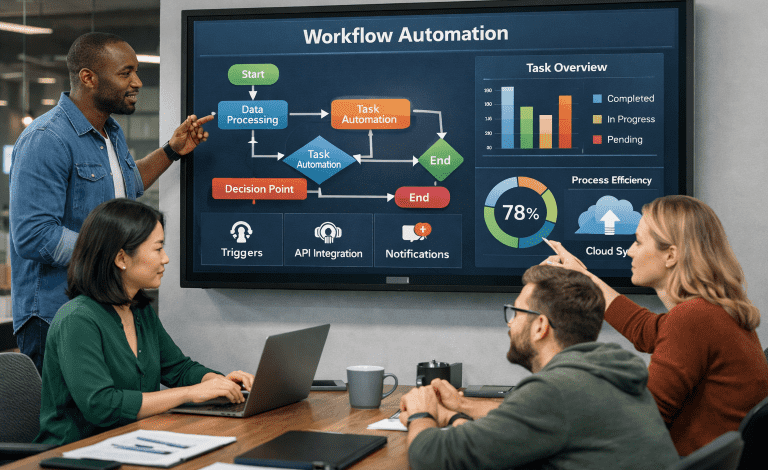
1. Standardize and automate workflows
Streamlining starts with standardization. Defining repeatable, transparent processes helps eliminate confusion and reduce variability in how changes are implemented. Process automation is especially valuable because it handles repetitive tasks, such as request routing, status updates, and compliance checks, freeing IT staff to focus on higher-value activities.
According to CIO.com, organizations that automate key parts of IT change management report faster completion times and significantly fewer errors related to manual oversight.
2. Implement proactive monitoring and predictive analytics
Monitoring tools and predictive analytics provide early warnings of problems and performance issues. By proactively identifying potential obstacles, IT teams can mitigate risk before disruptions occur. Predictive analytics harnesses historical data to forecast system vulnerabilities or usage patterns, supporting smarter, data-driven decisions during change processes.
3. Foster a culture of continuous improvement
Sustainable success in IT change management depends on building a culture that encourages feedback, transparency, and reflection. Organizations that routinely gather stakeholder input and measure change outcomes are better positioned to refine their processes over time. Continuous improvement ensures both IT and business teams remain aligned as needs and technologies evolve.
Leveraging automation and AI
Modern IT change management increasingly relies on technologies like automation and artificial intelligence. These tools expedite change initiatives, reduce human error, and allow teams to operate at a greater scale.
1. Automating routine tasks
Routine IT operations—such as network monitoring, software updates, and user provisioning—can be automated using sophisticated tools and platforms. Automation reduces the burden on IT teams, allowing them to devote more effort to strategic projects and innovation.
2. Enhancing decision-making
AI-driven solutions analyze vast amounts of operational and historical data to deliver real-time insights. These insights streamline decision-making, enabling organizations to roll out changes with greater confidence and speed. AI also assists in assessing potential risks and their impacts, strengthening IT’s ability to anticipate and resolve problems preemptively.
As detailed in Thoughtworks, integrating AI and automation into IT operations has become essential for organizations looking to stay competitive and agile in fast-changing markets.
Case study: successful IT change management
Consider a mid-sized company that decided to shift its IT organizational structure from functional silos to product-based teams. Each team was assigned a specific product or service, aligning IT more closely with business goals and customer needs.
By adopting streamlined workflows and automating repetitive tasks, the company reduced change implementation time by over 30 percent. Employees spent less time waiting for approvals, and the continuous feedback mechanism revealed training needs early, allowing leadership to respond quickly. This transformation enabled the organization to respond faster to market opportunities and significantly improved project outcomes.
Conclusion
For organizations seeking to improve performance and achieve strategic goals, streamlining IT change processes is vital. By focusing on standardizing workflows, integrating automation and AI, and nurturing a culture of continuous improvement, businesses can turn IT changes into opportunities for innovation and growth.
Thoughtful, well-executed IT change management minimizes risk, drives efficiency, and maximizes value in an increasingly dynamic digital world.