
How AI autonomy software solves operational challenges in robotics
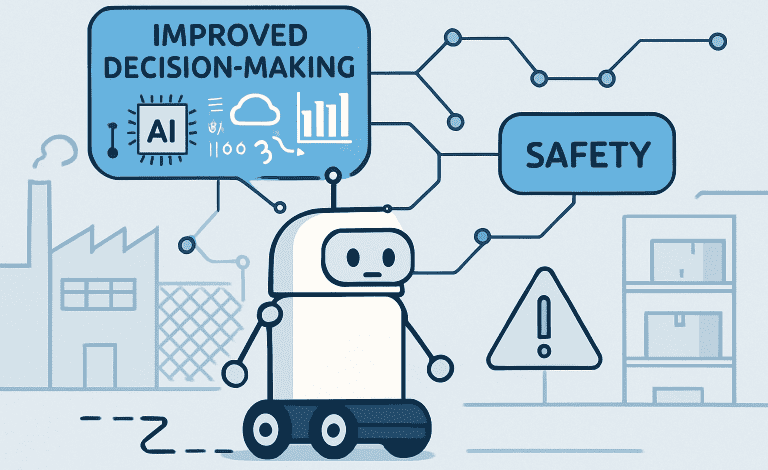
Integrating AI autonomy software into robotics is transforming the landscape of automation by directly addressing key operational challenges that have long limited the effectiveness of robotic systems. From enhancing efficiency to improving adaptability and safety, the adoption of advanced AI solutions is unlocking new levels of performance across a wide range of industries.
Palladyne AI stands at the forefront of this movement, offering cutting-edge software platforms that empower robots to perform complex tasks with human-like reasoning, extending their utility beyond repetitive functions into more dynamic, unpredictable environments.
What operational challenges do robotics face?
Robotic systems often encounter several significant operational challenges that can hinder performance and limit adoption in specific sectors. These challenges include:
- Computational Complexity: Today’s advanced AI algorithms require considerable processing power and memory bandwidth, which can be taxing for robots deployed on platforms with limited computational resources or energy constraints. This often leads to trade-offs between performance, battery life, and robot size, and necessitates highly efficient software architectures.
- Adaptation to Dynamic Environments: Real-world industrial and service settings are rarely static; unpredictable variables such as moving obstacles, environmental changes, and unexpected workflow disruptions demand that robots possess real-time decision-making capabilities. Without robust autonomy software, robots may struggle to operate in these rapidly evolving conditions.
- Safety Concerns: As robots operate in closer proximity to humans, ensuring safe interactions becomes paramount. This challenge requires sophisticated perception, decision-making, and actuation systems to quickly recognize and appropriately respond to hazards, ensuring compliance with regulatory safety standards and building user trust.
How does AI autonomy software enhance robotic efficiency?
AI autonomy software transforms robotic efficiency through several core capabilities that enable smarter, more reliable performance. By leveraging machine learning, computer vision, and data analytics, these platforms unlock valuable operational gains:
- Optimizing Task Execution: AI-driven algorithms analyze sensor data and operational feedback in real time, allowing robots to plan, sequence, and execute tasks with greater accuracy and speed. This data-driven approach adapts to subtle workflow variations, consistently leading to a documented 20% increase in productivity across industrial applications such as assembly, packaging, and material handling.
- Reducing Downtime: Through predictive maintenance, AI continuously monitors the health and performance of robotic systems. By identifying wear patterns, performance degradation, and potential faults before failure, companies can schedule proactive maintenance that minimizes unexpected stoppages. This strategic approach contributes to a 22% reduction in downtime, directly enhancing productivity and reducing maintenance costs over time.
In addition, AI-driven platforms often include optimization engines that streamline resource allocation, coordinate multiple robots, and adjust workloads in real time to meet changing production demands. This intelligent orchestration ensures that resources are used as efficiently as possible and that operations remain resilient in the face of shifting requirements.
Can AI improve a robot’s adaptability to changing environments?
Absolutely, one of the most profound impacts of AI autonomy software is the ability to dramatically improve a robot’s adaptability to changing and unpredictable environments.
This adaptability is critical for robotics to be practical outside tightly controlled, repetitive settings and to respond to the real-world complexity encountered in sectors such as warehousing, delivery, agriculture, and healthcare.
Real-time learning
Modern AI systems can learn from continuous streams of data, updating their models and refining their behaviors autonomously as they encounter new situations. This means robots can adapt to new tools, tasks, or layouts without extensive human intervention, making deployment and ongoing adjustment far more efficient.
Enhanced perception
By integrating advanced sensors such as LIDAR, cameras, and ultrasonic detectors, AI software processes and interprets environmental data in real time. This capability allows robots to recognize objects, interpret complex scenarios, assess risks, and adjust their paths or methods on the fly.
The result is a dramatic boost in operational reliability and user confidence in autonomous systems.
This adaptability not only improves immediate task performance but also supports longer-term resilience, as robots can transfer knowledge from previous experiences to new challenges, continually honing their effectiveness without reprogramming.
What role does AI play in ensuring robotic safety?
Safety is paramount in environments where robots and humans work side by side or where robots interact with expensive infrastructure. AI significantly enhances robotic safety through intelligent, proactive command of both detection and response:
Collision avoidance
AI systems continuously process sensor data streams to detect obstacles, humans, and hazardous conditions in the robot’s vicinity. Using path-planning and predictive algorithms, robots can anticipate potential collisions and take immediate corrective action, such as adjusting speed, altering trajectory, or stopping altogether, to avoid accidents before they occur.
Emergency response
Beyond avoiding accidents, AI-enabled robots are trained to recognize a wide variety of emergency scenarios, from chemical spills to unexpected machine failures or even human distress signals.
When such hazards are detected, the robotics system can trigger automatic shutdowns, alarms, or other pre-programmed safety protocols. This level of response helps mitigate risks, protect personnel and property, and ensure regulatory compliance.
These safety mechanisms foster greater trust in robotics, enabling broader adoption, even in settings that demand zero tolerance for error or accidents.
How does Palladyne AI’s autonomy software address these challenges?
Palladyne AI’s autonomy software is purpose-built to tackle the most pressing operational challenges facing modern robotics. Through a combination of cutting-edge research and real-world engineering, Palladyne AI delivers solutions that elevate performance, resilience, and safety:
- Efficient Resource Management: Recognizing the computational constraints of many robotic platforms, Palladyne’s software is optimized to perform robustly even on low-power processors. This efficiency enables deployment on a broad range of hardware, from compact mobile robots to advanced industrial arms.
- Adaptive Algorithms: The platform’s machine learning techniques facilitate near-seamless adaptation to evolving operational environments and new task requirements. This means end-users get flexible, future-ready robotics that consistently deliver high-quality results, without frequent software updates or manual retraining.
- Safety Protocols: With comprehensive safety features designed into the core architecture, Palladyne AI software allows robots to operate confidently alongside humans. Integrated safety measures include advanced perception, fail-safe behaviors, and compliance with industry-leading safety standards.
By integrating these innovations, companies can unlock new levels of efficiency, agility, and trust, ensuring their robotic investments deliver sustained value and a competitive edge in any industry.
Frequently asked questions
What industries benefit most from AI-integrated robotics?
Industries such as manufacturing, healthcare, logistics, and agriculture have seen significant improvements in efficiency and safety through AI-integrated robotics.
For instance, manufacturing facilities benefit from automated quality assurance and smarter assembly lines; healthcare settings use robotics for everything from surgery to medication delivery; logistics providers streamline warehouse operations; and farmers apply precise automation to planting, tending, and harvesting.
Is AI autonomy software compatible with existing robotic systems?
Yes, many AI autonomy solutions are designed to be compatible with existing robotic hardware, allowing for seamless integration and upgrades.
Most platforms, such as those from Palladyne AI, use modular architectures and standard communication protocols, making it relatively straightforward for businesses to retrofit or enhance the capabilities of their existing robot fleets.
How does AI impact the cost of robotic operations?
While initial implementation may require investment, AI integration often leads to cost savings through increased efficiency, reduced downtime, and lower maintenance expenses.
Over time, enhanced uptime, improved resource utilization, and fewer accidents significantly offset the up-front costs, resulting in improved return on investment for organizations deploying AI-driven robotics.
What are the future trends in AI and robotics?
Future trends include the development of more sophisticated AI algorithms capable of even deeper learning and understanding, expanded collaboration between humans and robots in a wide variety of work settings, and the entry of autonomous robotics into new sectors such as construction, retail, and public services.
As these technologies continue to evolve, their impact on productivity, safety, and operational flexibility will only grow.
Conclusion
By addressing these operational challenges, AI autonomy software plays a crucial role in advancing robotics’ capabilities and applications across industries. Companies adopting these technologies are well-positioned to reap long-term benefits in efficiency, adaptability, and safety as the robotics field continues to evolve.