Building Better Teams in the Modern Workplace
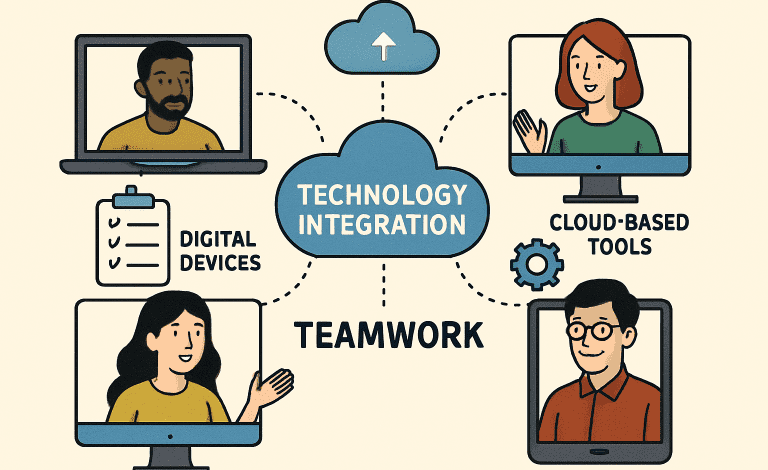
The landscape of team building in the modern workplace is evolving faster than ever, shaped by digital transformation, remote work, and changing employee expectations. As organizations seek competitive advantage and higher levels of employee engagement, the methods and priorities of team development are shifting accordingly. Central to this shift is how companies use innovative processes, such as job tracking platforms, to streamline hiring, collaboration, and day-to-day workflows, making teams more agile and responsive to change.
This evolution is not only about adopting the latest technology but also about reimagining culture, communication, and support systems across the workforce. Building high-performing teams is less about rigid structures and more about cultivating environments where individuals feel seen, valued, and empowered to contribute their best. As organizations recognize that people are their greatest asset, they’re investing in new strategies to foster meaningful collaboration and increase job satisfaction.
Companies realize that building better teams today requires a holistic approach; it’s not enough to assemble skilled individuals and expect them to thrive. It’s about enabling communication and celebration, bridging differences, supporting growth, and removing barriers to performance. Modern teams must navigate complex challenges and seize new opportunities—all while maintaining productivity and morale, whether working onsite, remotely, or in hybrid settings.
By blending digital solutions with thoughtful human-centered practices, organizations can create cultures of inclusivity, trust, and innovation, making team building a core component of business success and resilience in an ever-changing world.
Leveraging Technology for Enhanced Collaboration
Technological advancements have transformed workplace collaboration, enabling teams to connect more effectively and achieve shared goals. Today’s digital collaboration suites integrate everything from project management to instant feedback, allowing organizations to embed recognition and unity into every part of the workflow. Platforms that bring job tracking, messaging, scheduling, and document sharing under one virtual roof are helping to reduce friction, eliminate redundancies, and ensure that all team members are aligned in real-time.
The impact on employee motivation is significant: real-time recognition and feedback foster a culture where contributions are celebrated, thereby improving morale and decreasing turnover. Seamless task management means teams spend less time chasing updates and more time on creative problem-solving. According to Indeed’s Work Well-being 2023 report, organizations that use robust digital tools report higher engagement and improved outcomes across projects.
Fostering Diversity and Inclusion
Diversity, equity, and inclusion (DEI) are foundational elements for high-performing teams in the modern era. Inclusive team-building goes beyond compliance—it actively encourages sharing of unique perspectives, leading to better ideas, products, and services. Structured activities, such as cultural exchanges, diverse team projects, and open forums, foster empathy and help break down unconscious biases.
A study published by McKinsey & Company shows that organizations with strong DEI initiatives are 35% more likely to outperform their less-diverse peers financially. Leaders who prioritize inclusive practices cultivate environments where innovation thrives, attracting top talent and enhancing the organization’s overall adaptability.
Prioritizing Employee Well-Being
Forward-thinking organizations understand that individual well-being is critical to team success. Policies that support a healthy work-life balance and mental health, such as offering generous remote work options, providing mental health resources, and mandating downtime, can have a profound impact. Companies like Atlassian and Zapier, for example, have reaped rewards by allowing employees more control over their work environments—the result is higher retention and satisfaction rates.
Likewise, opportunities for volunteering and community service are becoming integral parts of the employee experience. These initiatives, adopted by companies such as Salesforce and IBM, help employees find purpose and meaning, thereby deepening organizational loyalty while supporting broader social goals. The long-term benefit is a workforce that is happier, more resilient, and motivated to collaborate meaningfully.
Implementing Cross-Functional Collaboration
Cross-functional collaboration brings together individuals from varied departments to work on shared projects or solve significant challenges. This approach erases silos, introduces fresh perspectives, and helps teams think outside their domain’s norm. In turn, these joint efforts spark more creative solutions and promote a deeper understanding of the organization as a whole.
Research from Harvard Business Review reveals that nearly 90% of employees believe cross-functional efforts drive more meaningful results and faster organizational learning. Joint planning and shared goals become anchors for success, seamlessly aligning teams with a company’s broader mission and vision.
Embracing Virtual Reality for Team Building
Virtual reality (VR) is becoming a game-changer in team-building, especially for remote or distributed teams. VR creates immersive environments where employees can practice collaboration, problem-solving, and communication in ways that transcend geographical boundaries. These simulated spaces not only drive engagement but also foster a sense of belonging and camaraderie, even at a distance.
Teams engaging in VR-based activities report improved connections, creativity, and work satisfaction. As VR technology becomes more accessible, it offers organizations new ways to energize teams and cultivate a strong, unified workplace culture regardless of physical location.
Conclusion
Building better teams in the modern workplace is a complex and dynamic process that involves adopting technology, prioritizing diversity, supporting employee well-being, fostering collaboration, and embracing innovation. By developing agile, inclusive, and people-centric strategies, organizations can not only enhance performance but also create resilient, engaged, and future-ready teams.