How Digital Tools Are Shaping Modern Aviation
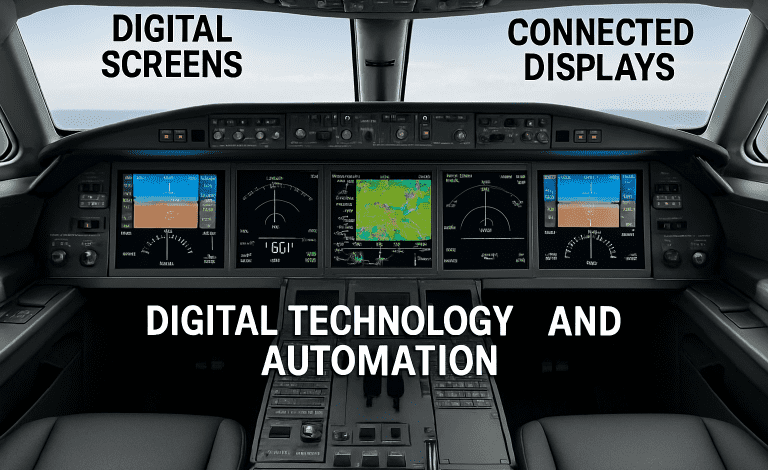
Modern aviation is undergoing a rapid transformation, powered by digital tools that are revolutionizing everyday operations, safety standards, and the passenger journey. Through advancements in communication, artificial intelligence, and interconnected software, airlines and manufacturers are realizing new levels of efficiency and safety. The adoption of aircraft maintenance software is a prime example of how digital solutions are elevating maintenance standards, enabling timely servicing, and minimizing downtime for airlines.
As airports and carriers integrate powerful new technologies, the entire ecosystem benefits, streamlining communication, optimizing flight paths, and predicting maintenance needs with greater accuracy. These innovations not only meet increasing passenger expectations but also address industry challenges such as fuel consumption, emissions, and regulatory compliance. Digital integration is quickly becoming essential for any organization seeking to thrive in modern aviation.
Today’s interconnected platforms and tools are creating a safer and more seamless experience for both crew and travelers. As the need for accountability and transparency grows, digital solutions are becoming the foundation of trust and reliability. With data-driven decision-making at its core, the aviation industry is confidently stepping into a future of sustainable, efficient operations.
Digital transformation also extends beyond cockpit technology and passenger applications. It is fueling a new era in aerospace manufacturing, supply chain management, and airline business processes. Leaders are leveraging insights from global tech partners to stay competitive and resilient in a landscape shaped by constant innovation.
Advancements in Communication and Navigation
The adoption of advanced communication and navigation systems ranks among the most significant digital upgrades in aviation. The Federal Aviation Administration’s (FAA) NextGen program exemplifies this shift, ushering in a new era for the National Airspace System. The program incorporates data communications that minimize errors caused by misheard or misunderstood voice commands, using standardized digital messages instead.
Other key NextGen innovations include Automatic Dependent Surveillance-Broadcast (ADS-B), which vastly improves situational awareness in busy skies by giving pilots and controllers real-time views of aircraft locations. This technology is already generating measurable results, with the FAA estimating savings of nearly 3 billion gallons of fuel and reductions of more than 650 million metric tons of carbon emissions over two decades. NextGen sets the stage for more reliable, efficient network management and smoother operations across the industry. For more information about the program’s achievements, visit the official FAA NextGen site.
Artificial Intelligence in Pilot Training
Artificial intelligence has quickly become central to modern pilot training, allowing programs to track and analyze learner progress through highly detailed data and tailored feedback. These AI-powered tools make classes more immersive and realistic, helping candidates to adapt to real-world scenarios more efficiently. Systems such as AI Redefined’s eVTOL simulators, for instance, adjust their feedback in real time based on the pilot’s actions. For more details, see the announcement of their partnership to develop the world’s first eVTOL pilot training simulator here.
This feedback-driven approach prepares pilots for a range of operational challenges, making flight crews safer and better equipped. As these systems grow more sophisticated, AI is expected to further personalize instruction and advance human-machine collaboration for complex aviation tasks.
Internet of Things (IoT) Connectivity
The Internet of Things is reshaping aviation by connecting aircraft, ground systems, and operational staff through smart devices and sensors. Airline operators use IoT to track airplane components and critical functions in real time, improving predictive maintenance and reducing costly disruptions. Virgin Atlantic’s adoption of IoT-enabled sensors has led to significant drops in delays while boosting operational efficiency. The global market for IoT in aviation is projected to soar, fueling investments in better, safer, and more responsive air travel. For deeper insights into industry-wide IoT applications, see this report from McKinsey & Company.
Blockchain Technology in Aviation
Blockchain’s entry into aviation is driven by the industry’s need for uncompromised data integrity, secure transactions, and streamlined processes. Its decentralized ledger system allows for transparent tracking of parts, changes, and maintenance histories, making compliance and auditing faster and easier. Airlines such as Air New Zealand are exploring blockchain for secure ticketing and loyalty programs, opening the door to frictionless customer experiences that build trust and loyalty. As regulatory frameworks catch up, blockchain stands to add value across supply chains, maintenance, and operations. For more information, refer to Air New Zealand’s partnership to explore blockchain here.
Digitalization in Aerospace Manufacturing
The move to digital-first manufacturing is supporting greater agility in aerospace production lines. Industry 4.0 tools such as AI-driven analytics and robotics enable further personalization of instruction, automate routine tasks, and optimize resource use. By aggregating process data in centralized systems, manufacturers can spot inefficiencies and address them quickly, supporting the industry’s sustainability goals and cutting waste. The flexibility of digital systems is essential for adapting to changing market demands and maintaining high-quality standards. For a detailed analysis of this trend, explore this resource from The Wall Street Journal.
Challenges and Considerations
While digital transformation creates new opportunities, it also introduces challenges that must be managed carefully. Protecting sensitive aviation data from cyber threats and ensuring compliance with international privacy standards rank as top priorities. There is also the question of equal access; many regions and smaller airlines face barriers to adopting the latest tools due to cost or limited infrastructure. Continuous professional training is crucial as job roles and required skillsets evolve in step with technological change.
Conclusion
The digitalization of aviation marks a turning point in the industry, setting new standards for safety, sustainability, and customer satisfaction. By harnessing AI, IoT, blockchain, and advanced communication systems, aviation leaders are charting a path toward more resilient, responsive operations. Staying informed and adaptable is no longer optional for success; it is the key to shaping the future of air travel for all stakeholders.