Digital Solutions for NERC Compliance and Security
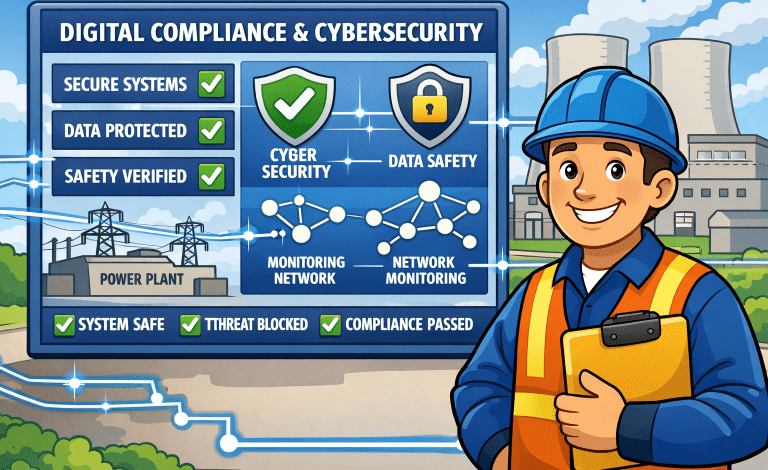
Ensuring compliance with North American Electric Reliability Corporation (NERC) standards is a critical priority for utilities and energy providers. As digitalization transforms the energy sector, there is a growing need to leverage advanced solutions for robust compliance and security. Digital platforms and automation offer streamlined processes that are essential for organizations aiming to excel in reliability and security. To learn more about how specialized software empowers utilities towards NERC compliance, explore the latest advancements in the field.
By adopting smart technologies, organizations are better equipped to protect their infrastructure from evolving cyber threats while meeting stringent regulatory demands. The advent of digital solutions has not only raised standards for risk management but also improved transparency and accountability in compliance reporting. Comprehensive digital frameworks help utilities prepare for audits, respond to incidents, and maintain their operational integrity.
Strategic investment in digitalization brings lasting benefits. Forward-thinking utilities invest in automated processes that free up valuable staff resources, reduce the risk of human error, and ensure compliance is continually monitored and documented. This evolution marks a shift from manual, reactive approaches to a proactive, technology-driven strategy.
Building a strong compliance program also means staying up to date with current industry trends and recognizing the value of proven solutions. Innovative approaches to asset management, incident response, and integrated governance distinguish successful compliance efforts. The growing reliance on digital platforms is not just a regulatory response but a key business strategy for the modern grid.
Understanding NERC Compliance
NERC develops standards to secure the reliability and integrity of the bulk electric system. Among the most significant are the Critical Infrastructure Protection (CIP) standards, which address cybersecurity risks. These mandates require energy operators to deploy technical safeguards, conduct regular vulnerability assessments, and enforce strict access controls on critical assets. Non-compliance carries the risk of substantial penalties, including fines that can reach millions of dollars. The seriousness of these requirements underscores the need to adopt effective, transparent compliance practices. Multiple large fines have underscored the financial risks of overlooking compliance.
The Role of Digital Solutions
Digital solutions are foundational in the industry’s response to the evolving complexity of NERC standards. Automation simplifies critical tasks such as maintaining the asset registry, continuously monitoring security controls, and providing detailed incident reporting. Digital records, accessible dashboards, and automated notifications enable faster and more accurate documentation of compliance efforts. As cloud platforms and edge computing become more integrated into utility operations, these solutions help ensure real-time scalability and accuracy.
Advanced Asset Management
Implementing technologies such as smart asset tagging or centralized inventory platforms ensures swift response times during audits. These systems collect and consolidate critical asset data, so auditors and internal teams always have up-to-date information. In practice, enhanced asset visibility leads to proactive identification of gaps and vulnerabilities, further strengthening compliance readiness.
Benefits of Automation in Compliance
Automating compliance tasks grants substantial returns on investment for utilities:
- Efficiency: Automation reduces manual workloads, allowing personnel to concentrate on core responsibilities and strategic projects.
- Accuracy: Machine-driven data collection and analytics eliminate much of the error inherent in manual processes.
- Timeliness: Scheduled checks and automated reporting ensure regulatory deadlines are consistently met, mitigating risks of penalties.
One utility highlighted Microsoft’s feature that unified remote access and automated device management, substantially reducing operating expenses and audit risks while improving cybersecurity resilience.
Challenges in Implementing Digital Compliance Solutions
While digital adoption is transformative, it is not without its obstacles. Integration often involves merging new software or processes into legacy systems that were not originally designed for cyber resilience. This can create interoperability issues or require updates to the underlying infrastructure.
- Integration Complexity: Ensuring system compatibility without disrupting ongoing operations can slow adoption.
- Training: Employees need comprehensive, ongoing training to adapt to new platforms and changing standards.
- Cost Management: Initial investments in digital compliance tools and workforce upskilling can be significant, but the long-term savings and risk reduction typically outweigh these costs.
Overcoming these hurdles requires meticulous planning, cross-departmental collaboration, and a commitment to iterative improvements.
Case Study: Successful Implementation
Renewance Inc., a battery asset management company, reached NERC CIP Low Impact compliance by incorporating structured cybersecurity governance throughout the lifecycle of its operations. Systematic onboarding and risk management policies were embedded within day-to-day workflows, creating a sustainable compliance culture. This real-world example demonstrates how integrating security principles into routine processes can achieve regulatory objectives and improve resilience.
Future Trends in NERC Compliance
As NERC standards continue to evolve, emphasis is increasingly placed on cloud security and supply chain management. Adapting to these changes requires utilities to upgrade not only their technology but also their governance frameworks. With ongoing advancements in artificial intelligence and machine learning, predictive compliance models are likely to become central in anticipating emerging threats and closing compliance gaps. Keeping informed about regulatory updates and investing in continuous digital transformation will be critical for future-proofing compliance strategies.
Conclusion
Digital solutions are now indispensable for ensuring and maintaining NERC compliance in the electric power industry. By automating, organizations enhance their ability to track and implement regulatory requirements efficiently and accurately. Overcoming initial implementation challenges sets the foundation for a safer, more reliable grid. Embracing these technologies does not just satisfy regulatory mandates; it also enhances a utility’s strategic positioning within an increasingly interconnected, digital grid.