
What Hidden Threats Does XDR Reveal Across Hybrid Cloud Setups
Hybrid cloud systems help many businesses run daily tasks with speed and balance. Teams store some data on local servers and place other data in cloud spaces. This mix gives more control and better use of resources. At the same time, this setup creates security gaps that attackers can use in quiet ways.
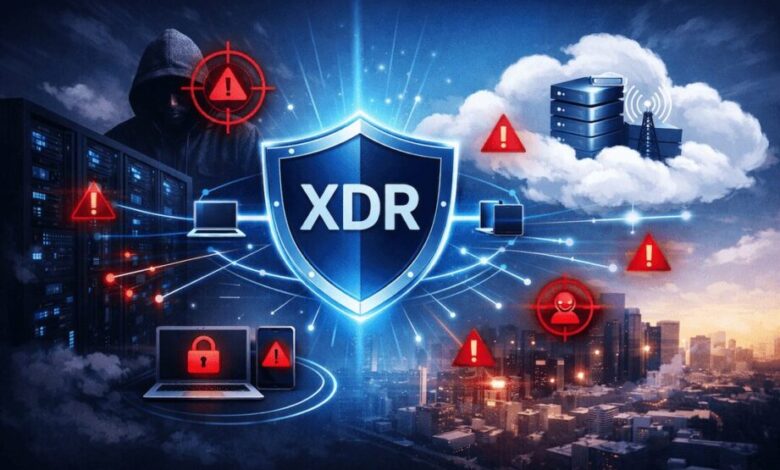
Many people still ask, What is XDR? XDR means extended detection and response across many security layers. It connects data from devices, networks, and cloud systems into one clear view. Hybrid cloud platforms spread activity across many locations. This article explains the hidden dangers inside these mixed setups and shows how XDR brings those dangers to light before major loss takes place.
Silent Entry Routes Across Mixed Systems
Hybrid platforms depend on many access tools and login points. Each system uses its own rules for identity and access. When users reuse passwords across cloud and local systems, risk grows without warning.
Attackers test weak entry points step by step. They seek unused accounts, old access keys, and shared user rights. XDR links login records from all parts of the system. It flags risky activity, such as quick location changes or access from strange regions. This link helps teams see attack paths that single tools fail to catch. Early alerts allow security staff to stop a breach before it spreads deeper into core systems.
Lateral Threat Movement Inside Cloud Networks
Many firms focus on outside attacks only. Yet many threats move inside the network after the first breach. Once an attacker enters one workload, the threat can travel across virtual servers with shared trust.
XDR watches how systems talk to each other inside the cloud. This view helps detect hidden movement between systems that should not share data. One system alone may seem clean while the attack grows in quiet paths nearby.
Common Internal Signs That XDR Exposes
- Data moves between systems that rarely share files.
- User rights rise within short time spans.
- Many failed access attempts take place in clustered services.
- Service accounts reach systems outside their duty.
These signs show how threats expand after entry. XDR connects these events into one story. This approach shows the full reach of an attack instead of isolated alerts.
Endpoint Threats That Connect Cloud and Local Spaces
Endpoints serve as bridges between cloud services and on-site systems. Laptops, tablets, and phones carry login data each day. Attackers focus on these devices because one breach can unlock many systems at once.
Malware that enters an endpoint may stay quiet while it collects access details. Later, it moves into cloud services, where basic controls may fail. XDR traces activity from device to cloud workload in one view. This link helps teams find threats that move across zones without an alarm.
Many staff still ask, What is XDR? It acts as the link that unites data from devices, networks, and cloud tools under one shield. This view helps stop attack chains that start on a device and end in cloud services.
Hybrid cloud setups help businesses grow and stay flexible. They also hide complex dangers that rise as systems expand and connect. Attackers depend on quiet moves and split security views to stay unseen. XDR brings scattered signals into one clear picture and turns hidden danger into visible risk. With this unified view, security teams gain the power to act early. They protect data, devices, and network paths under one steady defense.