
The Role of Digital Marketing in Driving Business Growth
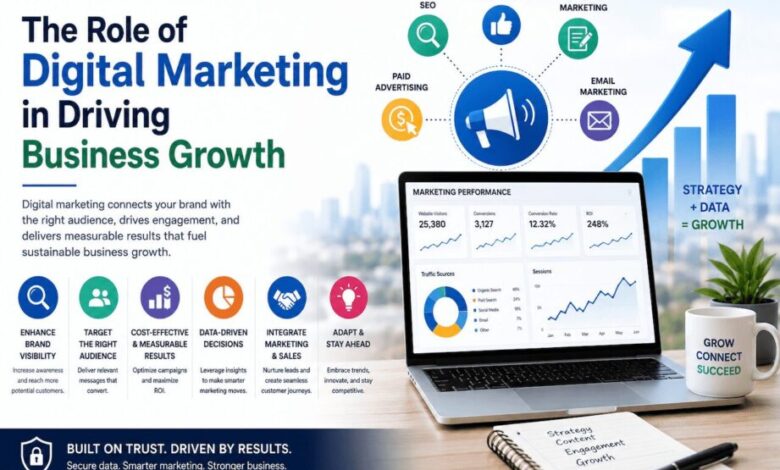
Digital marketing has become a central driver of business growth in an increasingly connected world. It enables organizations to reach targeted audiences, build brand awareness, and measure performance in real time. Through channels such as search engines, social media, email, and content marketing, businesses can engage potential customers more effectively than with traditional methods.
This shift has made data-driven decision-making a key part of modern marketing strategies, allowing companies to refine campaigns and improve return on investment.
Organizations often combine SEO, paid advertising, content creation, and analytics to strengthen their digital presence. External expertise can also support these efforts, with firms such as a digital marketing agency in Pittsburgh often cited as examples of service providers that help businesses develop and manage integrated online strategies. By aligning creative work with performance metrics, companies can adapt to changing consumer behavior and maintain sustainable growth across competitive markets.
Enhancing brand visibility
Establishing a strong online presence is crucial for businesses aiming to increase brand awareness. Digital marketing strategies such as search engine optimization (SEO), social media marketing, and content creation enable companies to reach potential customers where they spend significant time online.
By optimizing their websites and producing valuable content, businesses can improve their search engine rankings, making it easier for consumers to find them. An approachable digital persona cultivates trust and encourages repeat brand interactions, allowing companies to rise above local and national competitors.
Targeted audience engagement
One of the standout advantages of digital marketing is the ability to target specific demographics with precision. Platforms like Google Ads and social media channels grant businesses the tools to tailor their marketing efforts according to age, location, interests, and online behavior.
This targeted approach ensures that messaging resonates with the intended audience, boosting engagement and leading to higher conversion rates. Brands can adapt their language and content to suit unique segments, resulting in meaningful connections and greater customer satisfaction.
Cost-effectiveness and measurable results
Compared to traditional marketing methods, digital marketing offers a more cost-effective solution with measurable outcomes. Online campaigns can be monitored and adjusted in real time based on performance metrics, allowing businesses to allocate their budgets more efficiently.
Tools like Google Analytics and Facebook Insights provide actionable data about website traffic, user behavior, and conversion rates. Businesses can quickly identify successful tactics, scale effective campaigns, and halt underperforming ones without significant financial risk. This not only conserves resources but also maximizes the return on every dollar spent.
Leveraging data for strategic decisions
Data analytics play a pivotal role in shaping successful digital marketing campaigns. By analyzing customer data, companies can uncover trends, preferences, and behaviors that influence purchasing decisions.
With these insights, they can refine offerings and customize marketing messages, enhancing customer satisfaction and fostering loyalty. Data-driven decision-making enables rapid adaptation to shifting market trends, resulting in a more agile, responsive business.
The importance of data fluency in building successful marketing strategies cannot be overstated, and ongoing investment in analytics is a hallmark of top-performing organizations.
Integrating digital marketing with sales
Aligning digital marketing efforts with sales strategies can streamline the customer journey from awareness to purchase. The integration of customer relationship management (CRM) systems and marketing automation tools ensures leads are nurtured effectively and receive timely, relevant information.
These integrated systems help bridge the gap between marketing and sales, ensuring that all departments work toward the same goal: customer acquisition and retention. Collaboration across teams also minimizes communication breakdowns, so no lead or opportunity is missed, from initial contact to post-sale support.
Adapting to market trends
The digital landscape is constantly evolving, with new platforms, technologies, and tools emerging regularly. Companies that stay informed about these changes and adapt their digital marketing strategies are better positioned to capitalize on fresh opportunities.
The rise of video content, influencer marketing, and artificial intelligence-driven automation are just a few examples of industry shifts that offer new avenues for authentic and impactful engagement. Brands can leverage agility and continuous learning to capture consumer attention and anticipate future demand.
Overcoming challenges in digital marketing
While digital marketing offers numerous benefits, it also presents challenges, including data privacy concerns, rapidly changing algorithms, and increased competition.
To overcome these obstacles, businesses must prioritize transparency and data security while keeping their marketing teams well-trained and up to date with current best practices. Agility is crucial in this dynamic environment; adapting quickly to industry changes and regulatory requirements gives companies a much-needed advantage.
Fostering a culture of continuous learning, resilience, and innovation enables organizations to stay ahead in the competitive digital marketplace.
Conclusion
In the modern business environment, digital marketing is not just an option but a necessity for growth and competitiveness. By focusing on enhanced brand visibility, targeted audience engagement, and leveraging actionable data, businesses unlock new opportunities for sustainable development.
Further, integrating marketing and sales functions results in a more streamlined and productive path to revenue. Companies willing to adapt to evolving trends and invest in their digital strategies will find themselves better positioned not only for short-term gains but also for long-term success in an increasingly digital world.