
Muscle Memory Over Myths: Rethinking Aim Control in Mobile Shooters
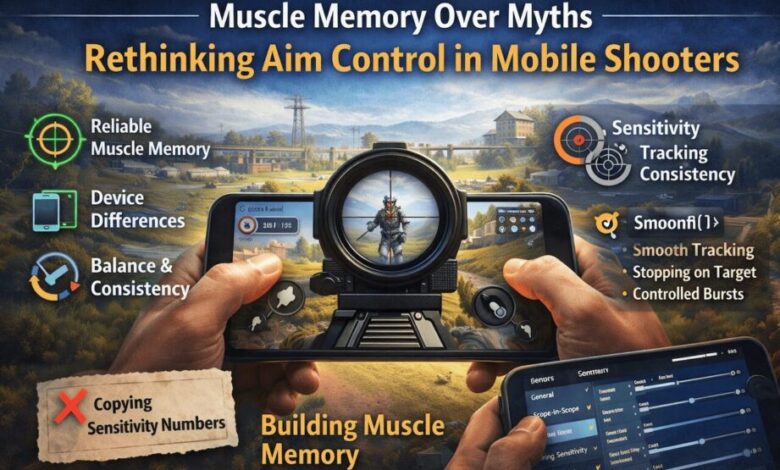
Mobile shooters live and die by feel. Unlike PC or console games, where hardware is relatively standardized, mobile gaming throws every player into a slightly different physical reality. Screen size, refresh rate, touch sampling, grip style, even how dry your fingers are — all of it affects how the game responds. That’s why sensitivity settings aren’t just a preference in Free Fire, they’re a core skill.The phrase free fire sensitivity is often treated like a magic formula players can copy from a pro and instantly improve. That idea is wrong, and it’s one of the biggest reasons players plateau despite hours of practice. Sensitivity isn’t about copying numbers. It’s about building reliable muscle memory inside your own physical constraints.
This article isn’t about presets. It’s about understanding what sensitivity actually does and how to shape it around you.
Why Sensitivity Is Not About Faster Flicks
Many players raise sensitivity because they want faster headshots. In reality, excessive sensitivity reduces consistency. On a touchscreen, there is no physical resistance like a mousepad or analog stick. Your finger floats on glass. High sensitivity amplifies every micro-movement, including tremors and overcorrections.
What elite Free Fire players optimize for is not speed, but repeatability. The goal is to be able to reproduce the same swipe dozens of times under pressure. A slightly slower but stable sensitivity outperforms a fast but chaotic one over a full match.
This is why players who look “slower” often win more gunfights. They miss less.
The Hidden Relationship Between DPI, Screen Size, and Sensitivity
One mistake most guides ignore is hardware context. A 6.1-inch screen and a 6.8-inch screen do not behave the same, even with identical in-game values. Larger screens give more physical travel distance for the same on-screen movement. Smaller screens compress movement, forcing more precision from less finger space.
If you switch devices and keep the same sensitivity numbers, your aim will feel off. This isn’t psychological. It’s geometry.
The same applies to refresh rate. Higher refresh rates make micro-adjustments feel smoother, which allows slightly higher sensitivity without losing control. On 60Hz devices, overly high sensitivity feels jittery because your visual feedback lags behind your finger.
Camera Control vs Combat Control
One of the most underrated adjustments players can make is separating camera comfort from combat accuracy. Many players want fast camera movement to check angles quickly, but that same speed becomes a liability during close-range fights.
The solution is balance, not extremes. Your general camera sensitivity should allow smooth tracking without forcing you to lift your finger constantly. Your firing sensitivity, on the other hand, should prioritize stability during sustained sprays.
If your crosshair jumps past targets when firing, your combat sensitivity is too high — even if your camera movement feels perfect.
Muscle Memory Is Built, Not Found
The biggest misconception is that there exists a “perfect” sensitivity. There doesn’t. What exists is a sensitivity you adapt to.
Once you settle on a range that feels controllable, the real work begins. Playing consistently on the same settings trains your nervous system to associate finger movement with visual distance. Constantly tweaking values resets that process and keeps you in a permanent learning phase.
This is why many high-level players stick with suboptimal-looking settings for months. They trust muscle memory more than theoretical perfection.
A good rule is simple: if you are missing because you overflick, lower sensitivity. If you are missing because you can’t reach targets in time, raise it slightly. Then stop touching it for a week.
Sensitivity Doesn’t Fix Positioning Mistakes
Another uncomfortable truth: bad sensitivity is often blamed for bad decisions. If you are losing fights because you peek wide into pre-aimed enemies or take close-range duels without cover, no sensitivity tweak will save you.
Aim settings refine execution. They don’t compensate for poor positioning, bad timing, or panic movement. Players who improve decision-making often feel their sensitivity “magically” gets better without changing any values.
It didn’t get better. The situations did.
Training With Intention
Warm-up routines matter more than exact numbers. Five minutes of controlled tracking against moving targets does more for aim than hours of ranked matches played on autopilot.
Focus on:
- Smooth tracking rather than flicking
- Stopping your crosshair on the target, not past it
- Controlled bursts instead of full sprays
These habits reinforce the benefits of stable sensitivity and expose flaws faster than random gameplay.
The Real Advantage of Understanding Sensitivity
Players who understand their sensitivity deeply adapt faster. They adjust to new devices quicker. They stay consistent under pressure. They don’t panic-change settings after a bad game.
In competitive mobile shooters like Free Fire, where milliseconds and millimeters decide fights, that mental stability is a real advantage.
Sensitivity is not a shortcut to skill. It’s the interface between your brain and the game. Once you treat it that way — as a personal calibration tool rather than a copied code — improvement becomes predictable instead of random.
And that’s when aim stops feeling like luck and starts feeling intentional.