Signs Your Warehouse Pallet Racks in Austin Need Replacement
A well-functioning warehouse in Austin depends on stable and secure pallet racks. These structures handle daily stress from loading, unloading, and shifting inventory. Over time, signs of wear can show up in subtle or obvious ways, affecting both safety and workflow. Recognizing when pallet racks need replacement helps reduce downtime and supports efficient storage.
Used pallet racks in Austin are exposed to fluctuating temperatures, heavy equipment traffic, and frequent use. Regular inspections sometimes reveal early warning signs of trouble, but some issues require a full replacement rather than repair. Understanding the indicators below can guide timely decisions, especially in active warehouse environments where safety and space usage matter.
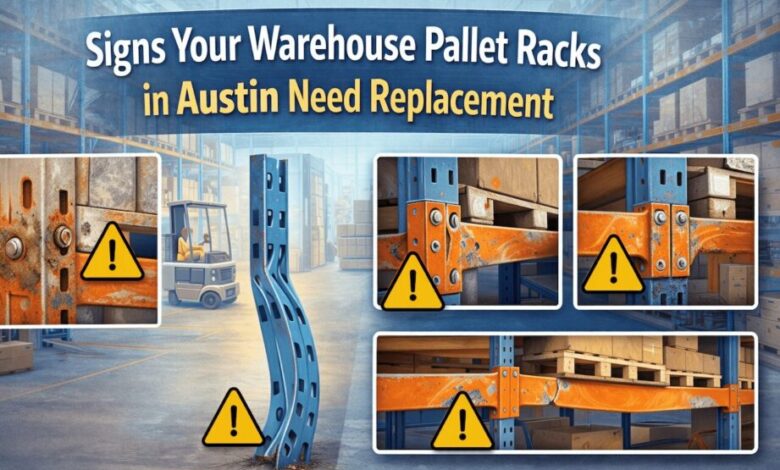
Rust or Surface Corrosion Appears
Rust sometimes begins with small patches where protective coatings wear down. These patches may grow near joints, connectors, or base plates. Once corrosion spreads, it begins to affect the strength of metal components. Warehouse racks that show visible rust must be examined immediately for signs of weakening.
Even racks stored indoors are not fully protected from moisture. Humidity and accidental spills can create the right conditions for rust. In Austin, where the weather changes quickly, even brief exposure can impact rack surfaces. Once rust penetrates deep into the steel, the affected parts can no longer provide full support.
Uprights Show Signs of Impact
Uprights take the brunt of warehouse activity, absorbing hits from forklifts and pallet jacks. Signs like dents, twists, or leaning sections indicate compromised stability. Damaged uprights sometimes appear after repeated contact with equipment or uneven loads. These changes suggest the structure may no longer hold the intended weight safely.
Small dents are easy to miss during daily operations, but can grow worse under pressure. Leaning uprights may appear stable while empty, but shift when loaded. Replacing racks with visible damage avoids future interruptions and supports safer stacking. Regularly checking for these physical signs can prevent surprises during peak operations.
Beams Are Misaligned or Distorted
Beams are essential for supporting pallet loads evenly. When beams look bowed, twisted, or misaligned, the structural balance changes. This may happen after exceeding weight limits or poor load placement. Beams that sag in the center may lead to uneven pressure across the rack system.
Inspect beam connectors for stress cracks or broken welds. These are signs that the beam has experienced more force than it can support. It’s common to overlook small shifts, but repeated stress can stretch the limits of the metal. Beam alignment should always match the intended design to maintain even weight distribution.
Rack Repairs Become Frequent
Regular maintenance can extend rack life, but frequent repairs signal deeper problems. Loose bolts, damaged brackets, and recurring alignment issues suggest wear that replacement may resolve. Tracking the number of fixes over time can reveal patterns of decline. A structure that needs frequent attention disrupts daily operations.
Replacing entire sections avoids patchwork fixes that may not hold under pressure. When racks require weekly adjustments or part replacements, downtime increases. This adds pressure on storage plans and affects inventory control. Choosing replacement over continued repair helps maintain warehouse flow and minimizes risks.
Connections Feel Unstable
Racks should remain firm under standard movement. If joints wiggle or beams shift under load, the system may no longer meet safety standards. Movement in upright bases or horizontal beams can lead to tilting or collapse. Instability sometimes develops slowly but increases after repetitive use.
Check for widening of connection slots or stretched bolt holes. These signs suggest that parts are no longer holding tightly. Instead of adding reinforcements, consider replacing sections that no longer fit together securely. Structural looseness is one of the clearest signs a rack system has reached the end of its useful life.
Design No Longer Matches Operational Needs
Warehouse operations change as inventory, equipment, and processes evolve. Racks installed years ago may not support newer pallet sizes or heavier products. An outdated layout can limit reach, block access paths, or waste vertical space. Using racks that no longer match goals can lower output and increase handling time.
Used pallet racks in Austin may be part of older layouts built for different volumes. Newer designs allow better adjustments and faster rearrangements. Signs of a mismatch include blocked aisles, low clearances, or limited forklift maneuvering. Replacing racks to match current needs ensures smoother movement and better space usage.
Key Rack Hazards That Signal the Need for Replacement
- Upright legs bent beyond the original angle
- Beams with visible bowing under normal weight
- Rust forming at base plates or welded joints
- Cracks where beams meet uprights
- Loose connectors after regular tightening
- Racks shifting during loading or unloading
Why a Skilled Professional in Austin Makes a Difference
Many warehouses delay replacement decisions because the process feels disruptive. But working with a company that focuses solely on pallet rack systems changes that dynamic. They approach every project with a clear understanding of structural safety, warehouse flow, and system compatibility.
Installations for used pallet racks in Austin are handled with precision, and layout planning is based on practical, real-world use, not assumptions. Support teams are experienced in dealing with tight warehouse schedules and load demands, helping reduce delays during transitions. If you’re seeing signs of rack fatigue or planning upgrades, consider working with specialists who understand these systems inside and out.