
How Dental Implants Are Changing Smiles for a Lifetime
Tooth loss can significantly impact one’s quality of life, affecting speech, eating habits, and self-esteem. Fortunately, advancements in dental technology have introduced solutions that not only restore functionality but also enhance aesthetics. Among these, dental implants have emerged as a preferred choice for many seeking a permanent solution to missing teeth. The Ferber Dental Group, based in Greenacres, Florida, specializes in providing state-of-the-art dental implant services. With a track record of successfully placing over 20,000 dental implants, their team offers expert, personalized care to patients throughout Palm Beach County and surrounding South Florida communities.
Understanding dental implants
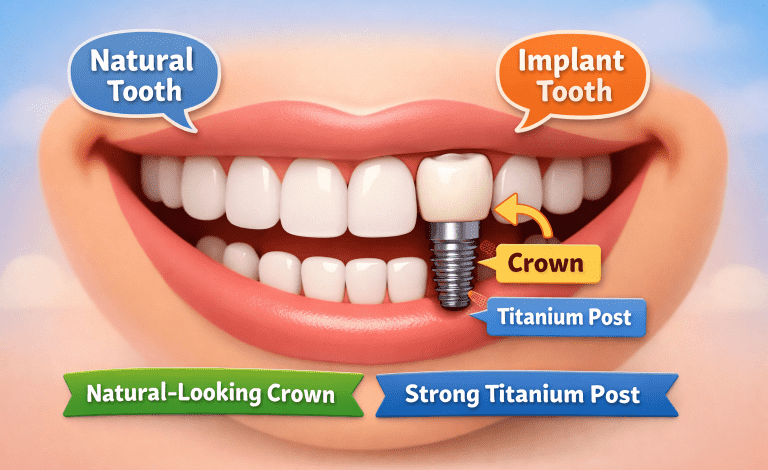
Dental implants are artificial tooth roots, typically made of titanium, that are surgically placed into the jawbone. Over time, they fuse with the bone in a process called osseointegration, providing a stable foundation for replacement teeth. This integration ensures that the implant functions similarly to a natural tooth root, offering stability and durability.
Implants come in a variety of shapes and sizes, which allows dental professionals to customize solutions for single tooth replacement, multiple teeth, or even a full arch. The versatility of implant systems ensures they are suitable for a wide range of dental restoration needs. Unlike bridges, which depend on adjacent teeth for support, implants stand independently, preserving as much of the natural tooth structure as possible.
Benefits of dental implants
- Natural appearance: Implants are designed to look and feel like natural teeth, blending seamlessly with the rest of your smile.
- Improved speech and eating: Unlike dentures, implants don’t slip, allowing for clearer speech and more comfortable eating.
- Bone preservation: Implants stimulate the jawbone, preventing bone loss that often accompanies tooth loss.
- Durability: With proper care, dental implants can last a lifetime, making them a cost-effective solution in the long run.
Additional benefits include a boost in self-confidence, as patients can smile freely without worrying about gaps or shifting dentures. Dental implants are also easier to maintain than traditional dentures, which require soaking, adhesives, and careful handling. The stability provided by implants significantly enhances daily comfort, making routine activities enjoyable once again.
The implant procedure
The process of getting a dental implant typically involves several steps:
- Consultation and planning: A thorough examination, including X-rays, to assess bone density and plan the procedure.
- Surgical placement: The implant is surgically inserted into the jawbone under local anesthesia.
- Healing period: A period of several months allows for osseointegration, where the implant fuses with the bone.
- Abutment placement: Once healed, an abutment is attached to the implant to hold the replacement tooth.
- Crown placement: Finally, a custom-made crown is placed over the abutment, completing the restoration.
The entire process may span over a few months, as the jawbone needs time to heal and integrate with the implant. However, newer techniques and the use of digital dentistry technologies are reducing healing times and improving patient comfort.
Caring for your implants
Maintaining dental implants is similar to caring for natural teeth:
- Brush and floss daily to prevent plaque buildup.
- Attend regular dental check-ups and cleanings.
- Avoid chewing hard items that could damage the implant.
- Quit smoking, as it can hinder healing and affect implant longevity.
Your dental provider may recommend using a soft-bristle toothbrush and a non-abrasive toothpaste in order to avoid scratching the restoration. Additionally, using an antimicrobial mouth rinse can help maintain healthy gums around the implant. For those with multiple implants or complex restorations, special floss or interdental brushes designed for implants can be a helpful addition to the routine.
Potential risks and considerations
While dental implants have a high success rate, potential risks include:
- Infection at the implant site.
- Injury to surrounding structures, such as other teeth or blood vessels.
- Nerve damage, leading to pain or numbness.
- Sinus problems, especially for implants in the upper jaw.
It’s essential to discuss these risks with your dentist and ensure you’re a suitable candidate for the procedure. Factors such as existing medical conditions, bone health, and oral hygiene practices can influence implant success. Honest discussions and thorough planning with your dental provider can help minimize complications and ensure the best possible results.
Cost and affordability
The cost of dental implants can vary widely depending on the location, the dentist’s experience, the materials used, and the complexity of the case. While they can seem costly compared to other dental restoration options like bridges or dentures, implants often prove to be more cost-effective in the long term due to their durability and the minimal ongoing maintenance required.
Many dental clinics offer payment plans or work with third-party financing companies to make implants more affordable. Additionally, some dental insurance plans now provide partial coverage for implants, recognizing them as a standard of care for missing teeth. It’s always a good idea to request a detailed cost estimate and to ask your dental office about all available payment and insurance options.
Are you a candidate?
Most healthy adults with sufficient jawbone density are candidates for dental implants. However, certain factors may influence eligibility:
- Chronic health conditions such as diabetes or autoimmune diseases
- Insufficient bone mass (can often be addressed with bone grafting)
- Active gum disease
- Smoking or substance abuse
Your dentist will take a thorough health history and may recommend additional imaging, such as a CT scan, to determine the most appropriate treatment plan for your unique needs. Patients who are not candidates for traditional implants can sometimes benefit from mini implants or alternative stabilization methods.
Advances in dental implant technology
Modern dentistry is continually evolving, and dental implant technologies have seen significant improvements in recent years. Digital scanning and 3D imaging enhance the precision of implant placement, resulting in improved fit and comfort. Computer-guided surgery allows for minimally invasive procedures, leading to shorter recovery times and less discomfort.
Additionally, new biomaterials and surface treatments for implants are improving outcomes for patients with challenging bone conditions. Innovations like immediate load implants, which allow a crown or bridge to be placed much sooner after surgery, are making the process even more convenient for patients. These advances have helped boost success rates and make implants accessible to more people than ever before.
Conclusion
Dental implants have revolutionized the field of restorative dentistry, offering a reliable and aesthetically pleasing solution for tooth loss. By understanding the procedure, benefits, and care requirements, individuals can make informed decisions to restore their smiles and improve their quality of life.
As technology continues to advance, dental implants are becoming more accessible, comfortable, and effective than ever before. With the right care and a trusted dental provider, patients can look forward to enjoying their beautiful new smiles for many years—truly changing smiles for a lifetime.